Full-Stack Developer focused on Backend
Building robust backend systems, RESTful APIs, and maintainable web applications — with Laravel, .NET, and SQL as core tools, and a solid understanding of the full stack from database to frontend.
I am a Full-Stack Developer with a strong focus on backend development. I build web applications and backend systems using Laravel and .NET — designing the logic, data layer, and APIs that make applications work reliably.
While my primary strength is on the server side, I work across the full stack and understand how frontend and backend fit together to deliver a complete product.
I build web applications backed by relational databases, REST APIs, and structured business logic. I work with authentication and authorization systems, database transactions, and the kind of data-driven features that form the core of most real-world applications.
I pay attention to how systems are designed — keeping code maintainable, keeping data consistent, and building solutions that can grow as requirements change.
REST APIs, business logic, and server-side application structure with Laravel and .NET.
Relational database design, complex queries, transactions, and data integrity with SQL Server and MySQL.
Authentication, authorization, and software design patterns that keep applications secure and maintainable.
Technologies I am actively exploring
An e-commerce administration system built with Laravel, Livewire, and Filament. Structured as a modular monolith using the Actions pattern and Dependency Injection, with role and permission management through Spatie Permission and Laravel Policies.
Covers product management with variants and a supplier approval workflow that separates approval status from active/inactive state — supplier-proposed changes do not directly overwrite approved data. The inventory module tracks stock quantities, reserved quantities, and available balances. Inventory movements are recorded as an append-only audit log. Balance mutations are executed within database transactions using pessimistic locking to maintain consistency and enforce invariants such as preventing negative stock or reserved quantities exceeding stock.
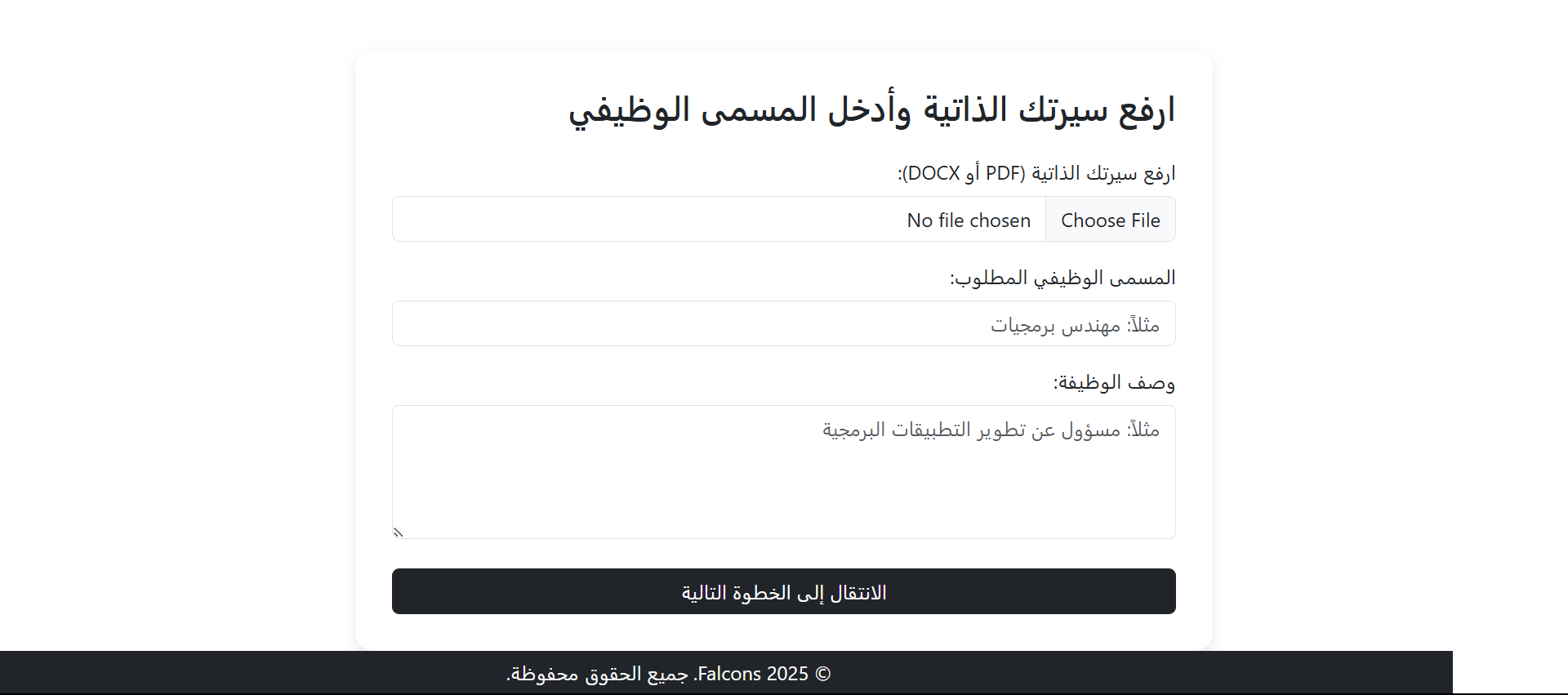
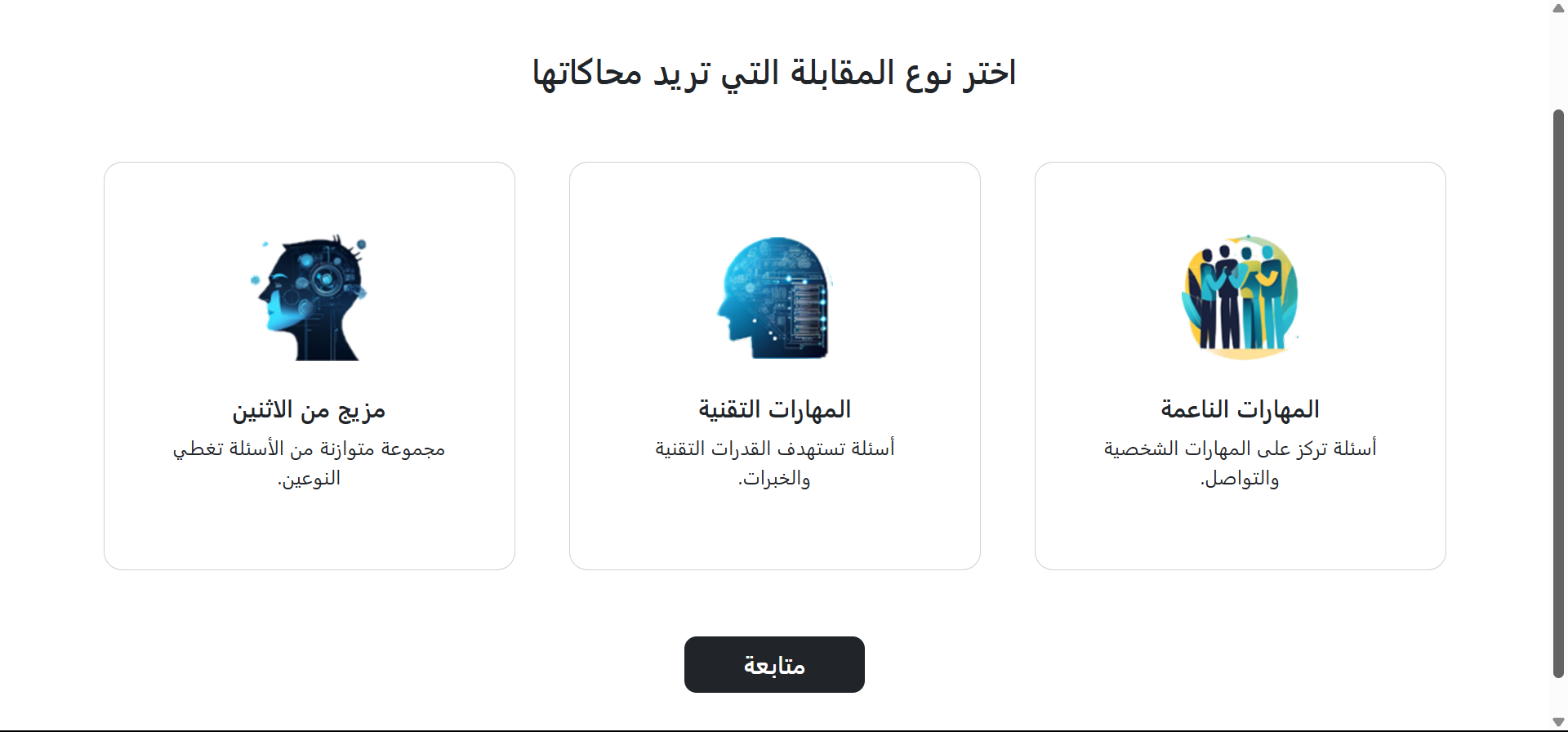
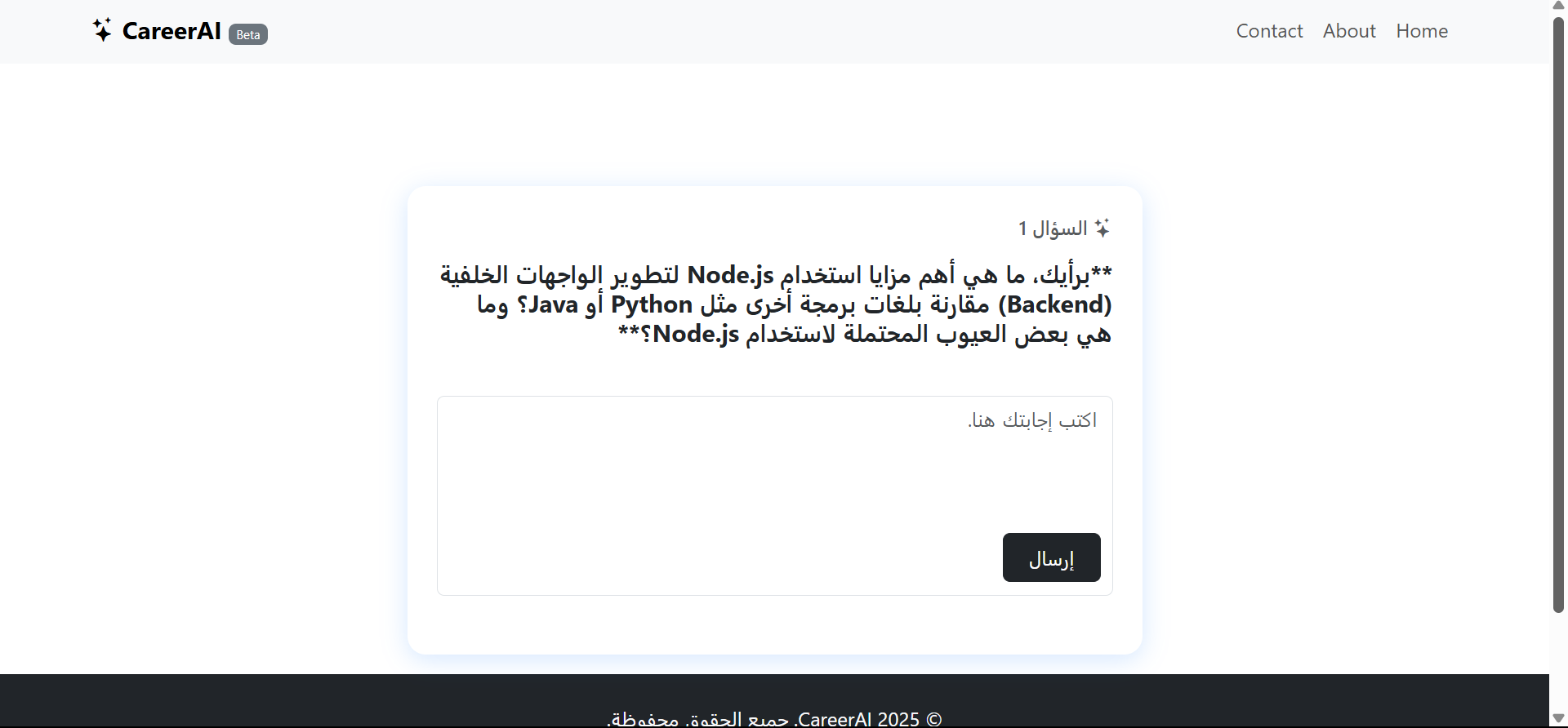
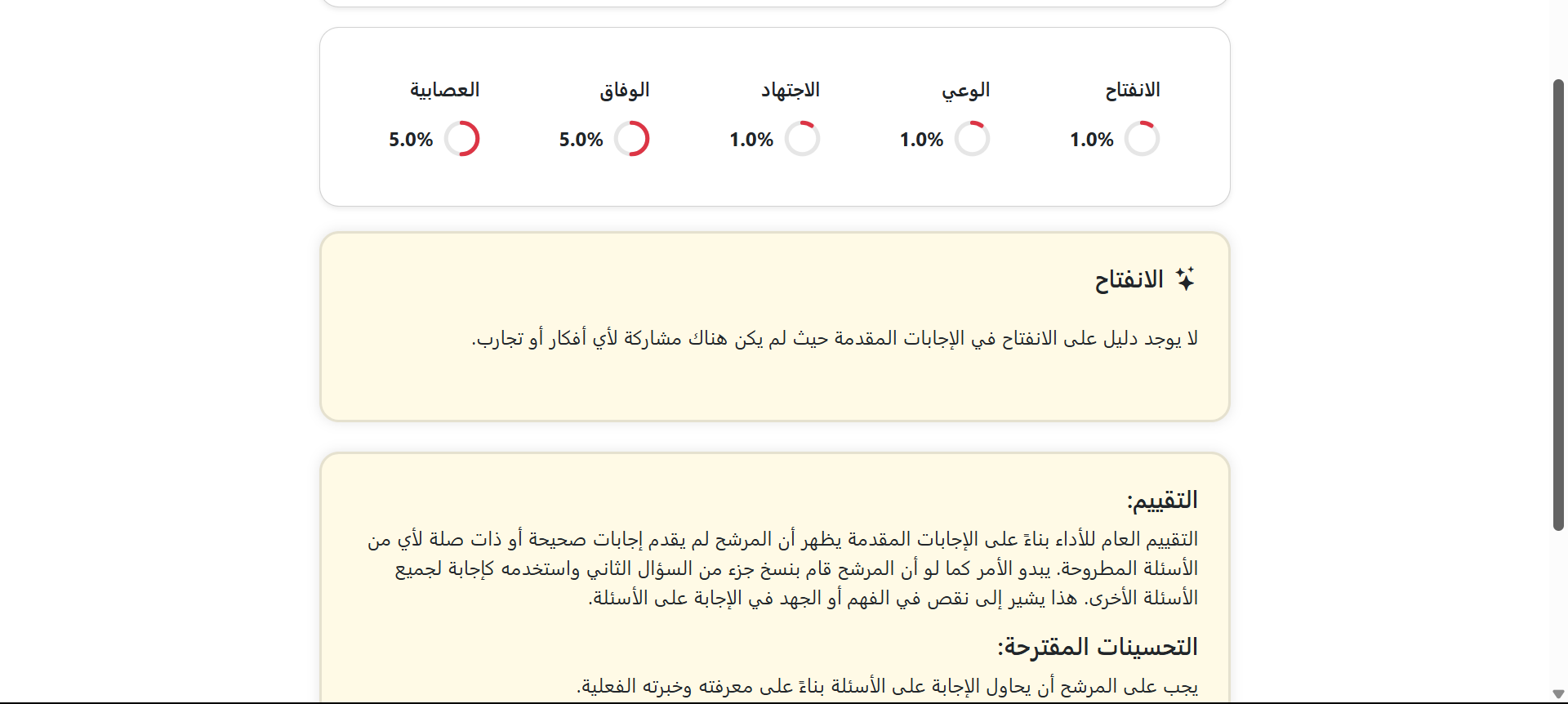
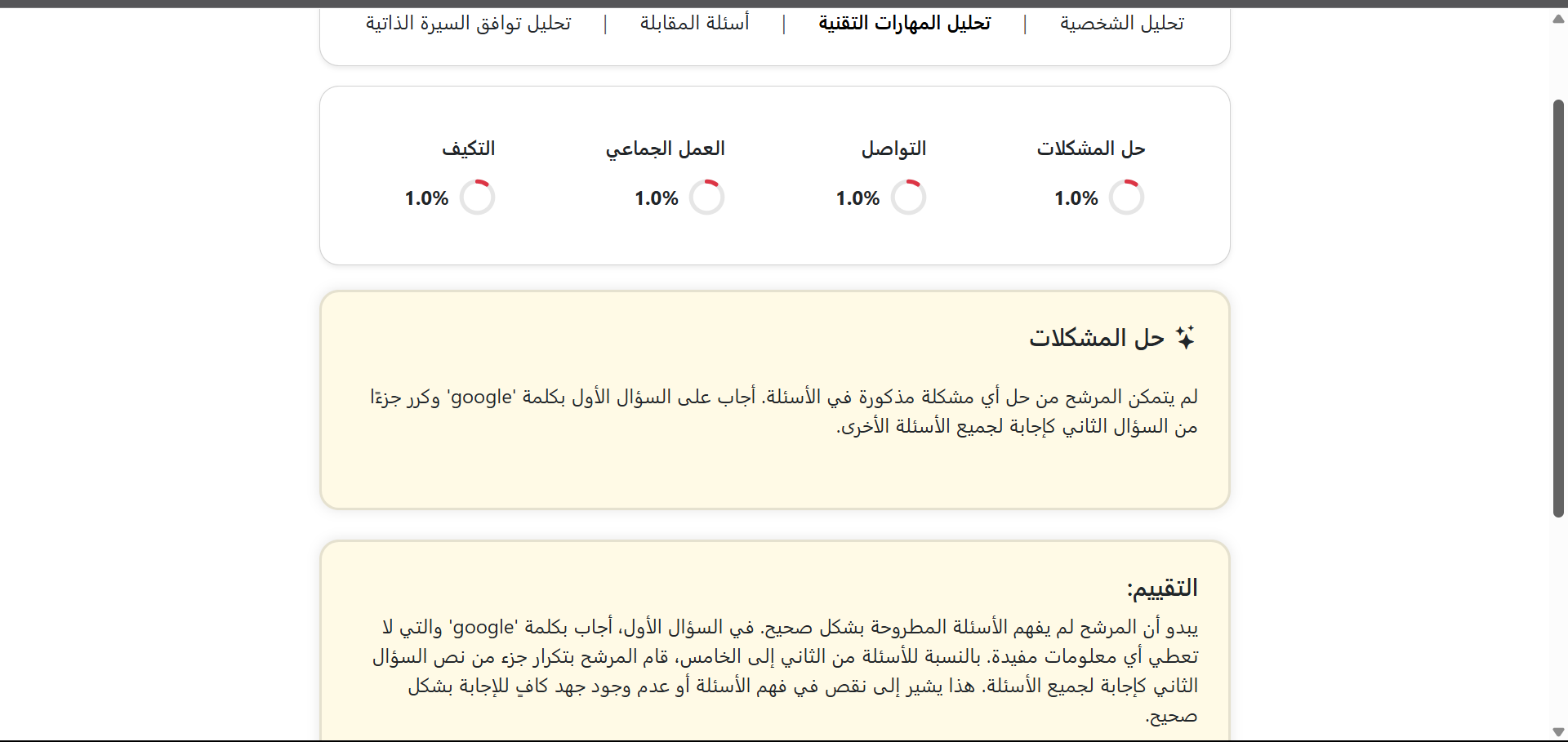
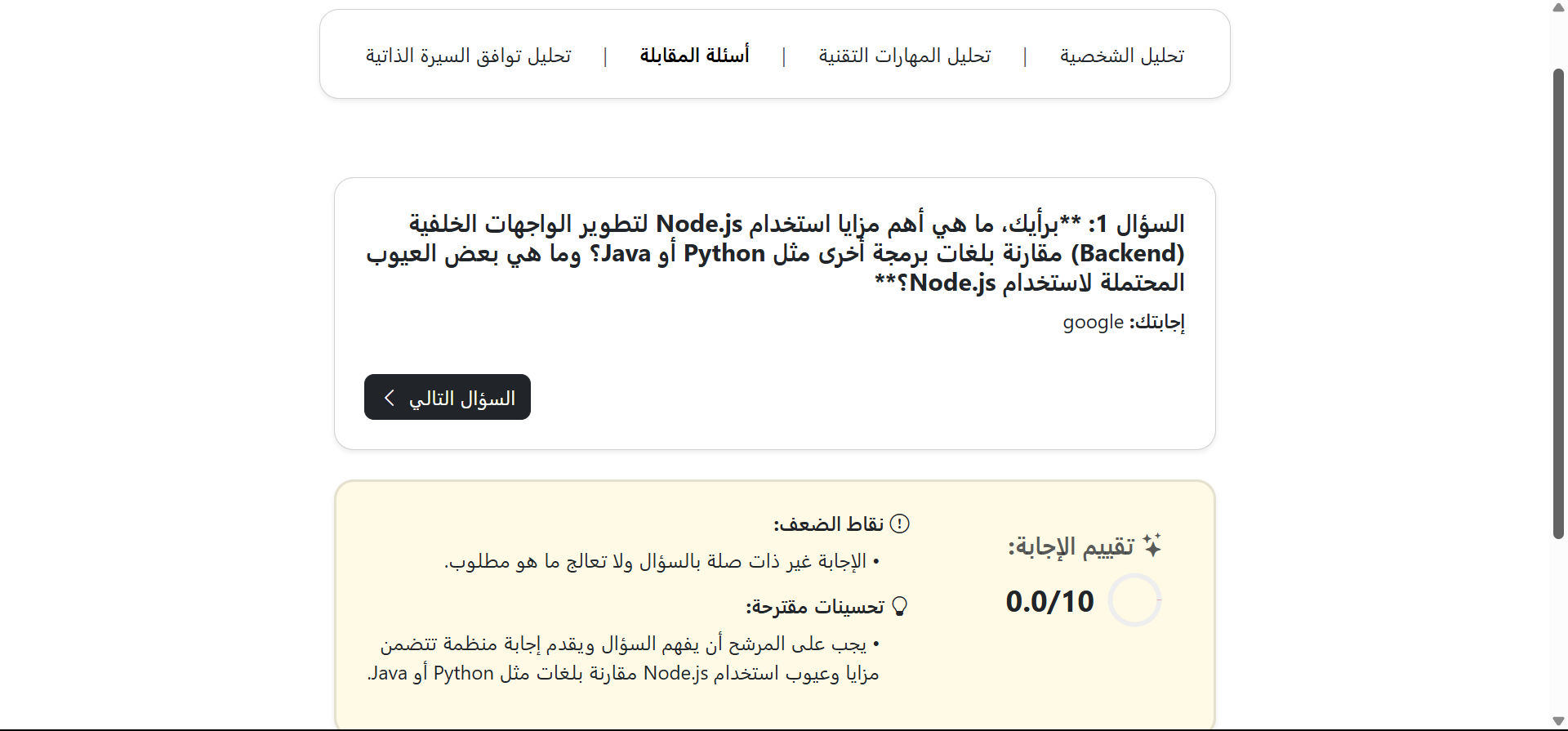
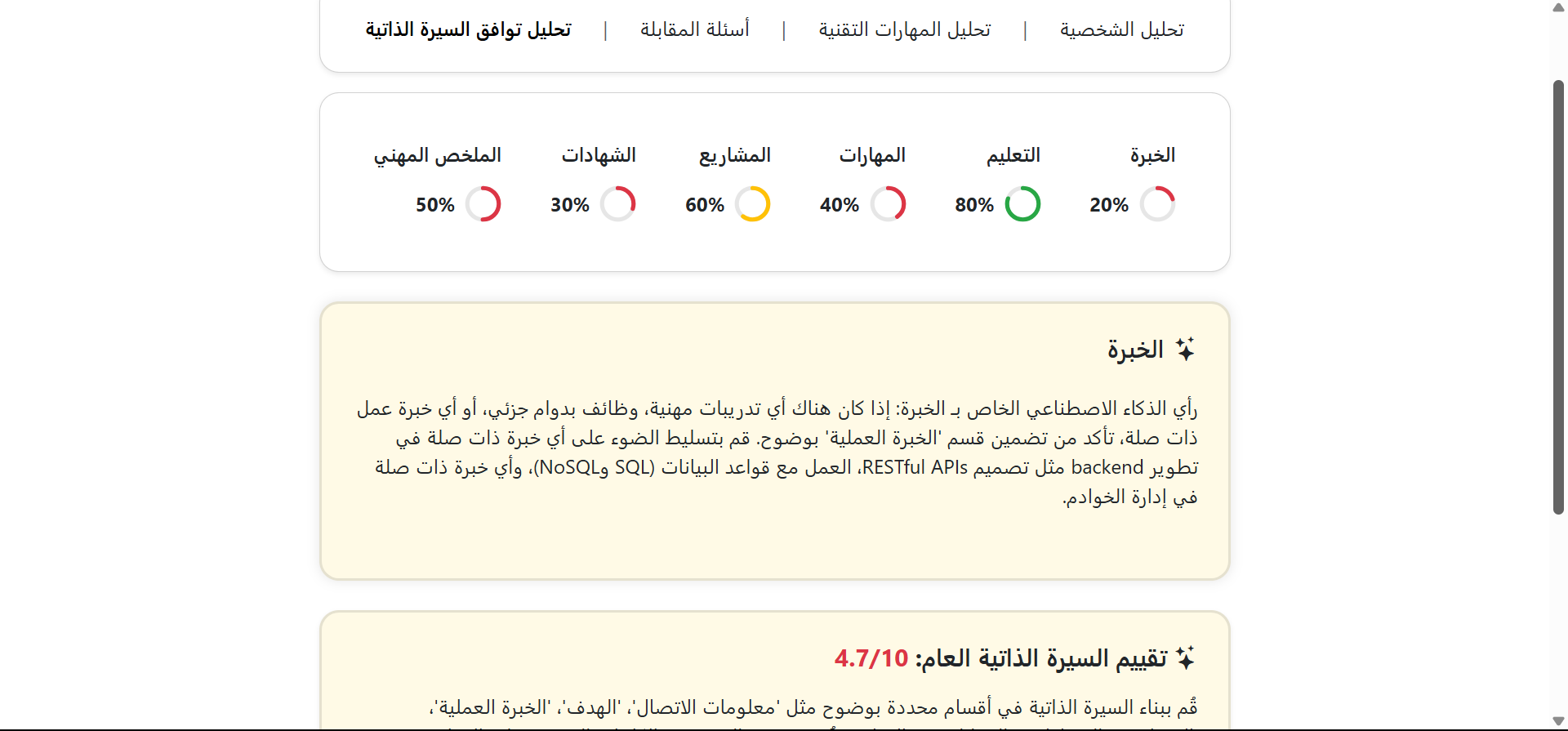
A web platform for AI-powered career guidance. Users upload their CV and specify a target job to receive generated interview questions and four analysis reports covering technical skills, soft skills, answer quality, and CV–job alignment. Built with a JavaScript and Alpine.js frontend consuming an AI API.
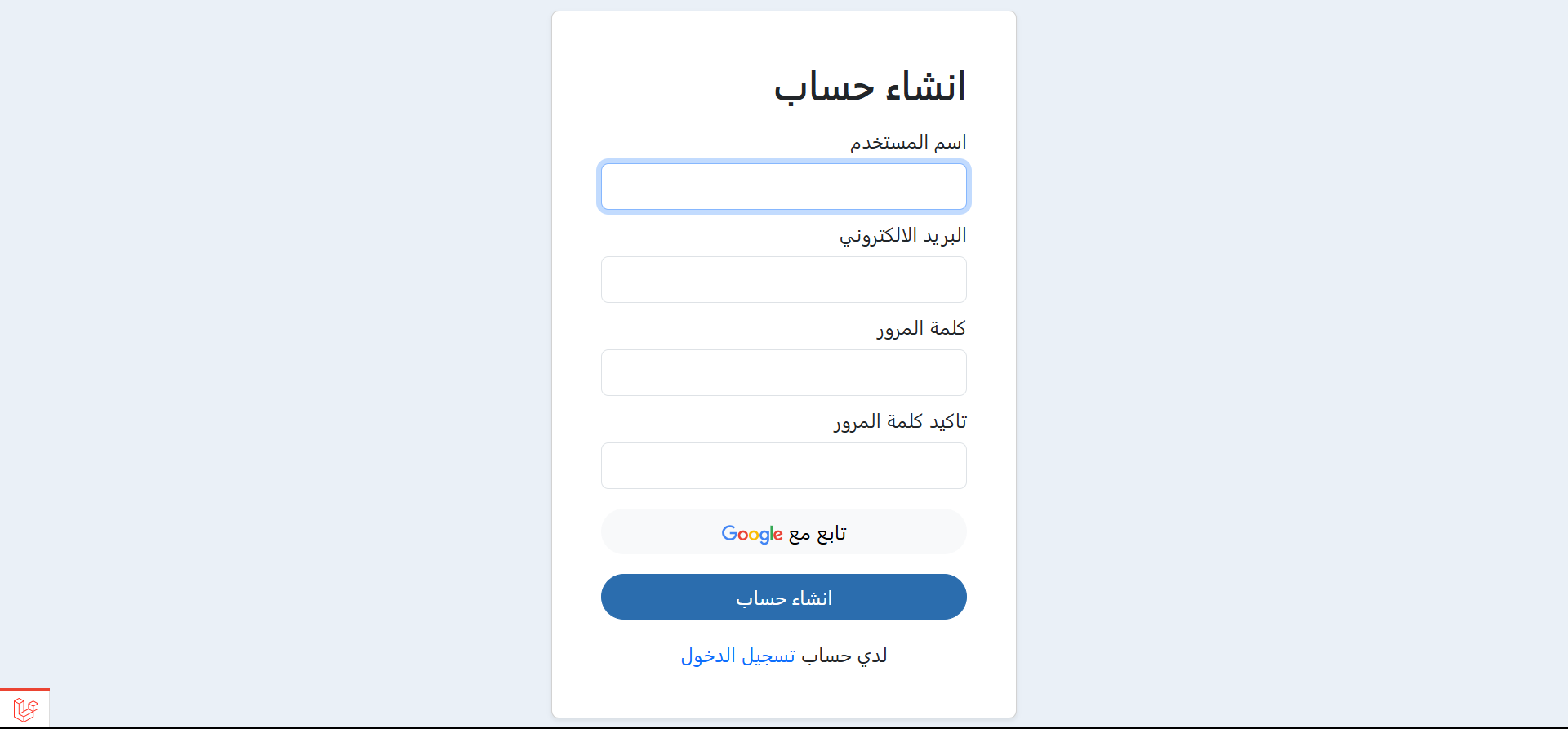
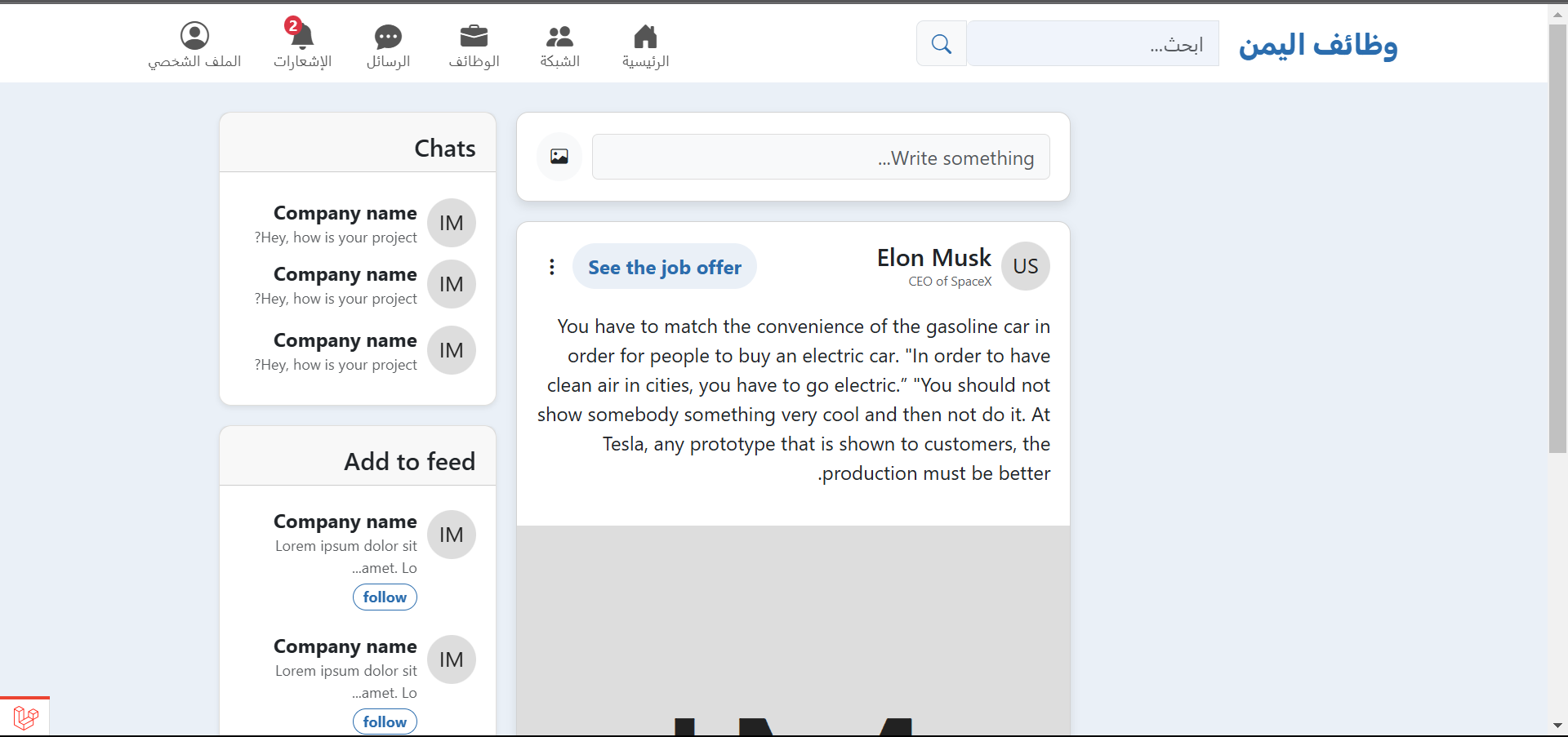
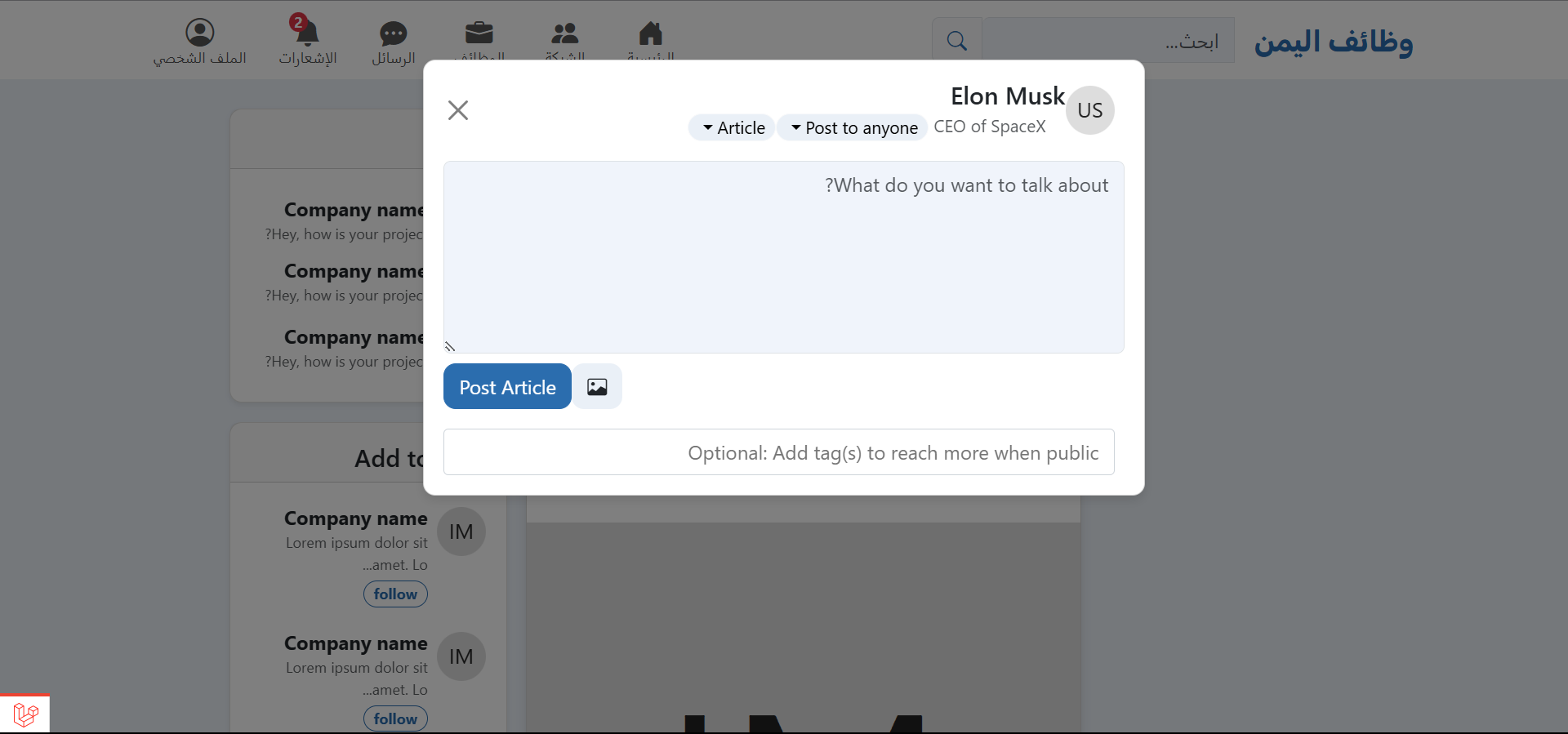
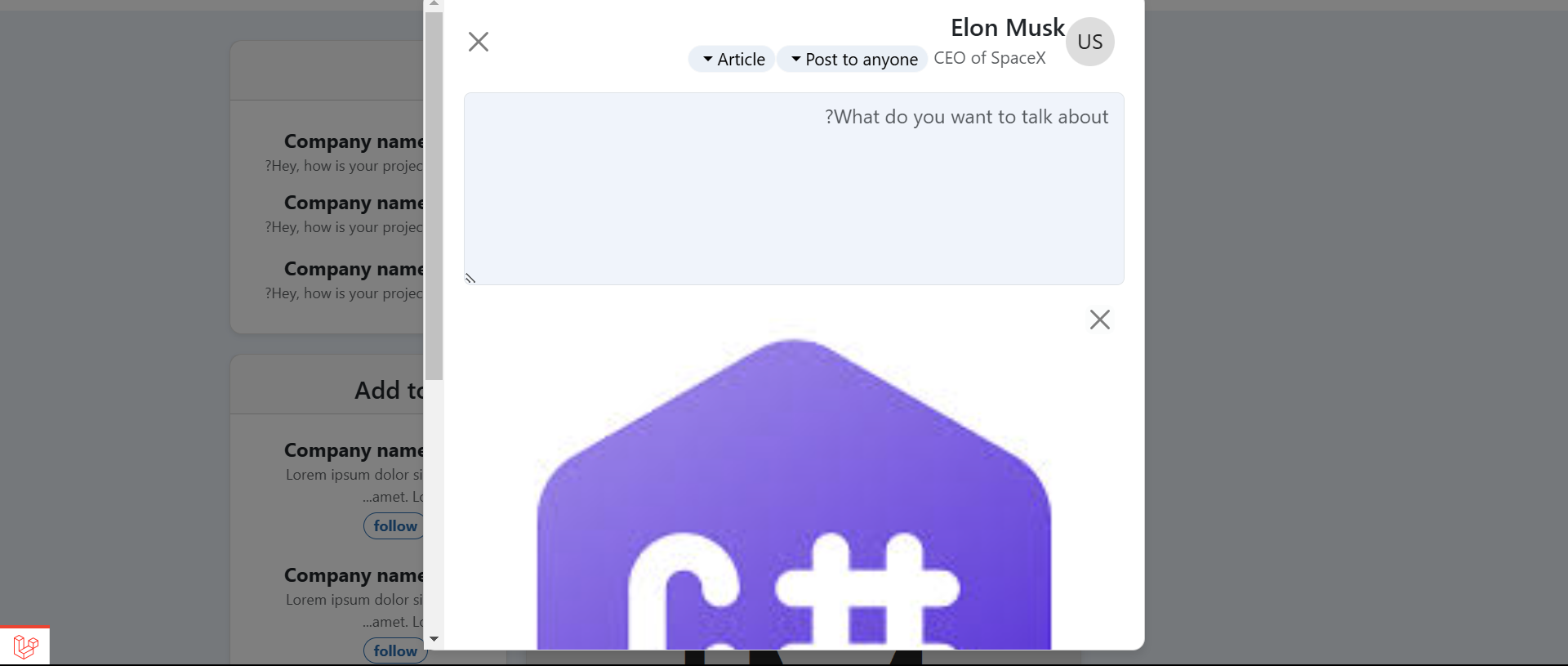
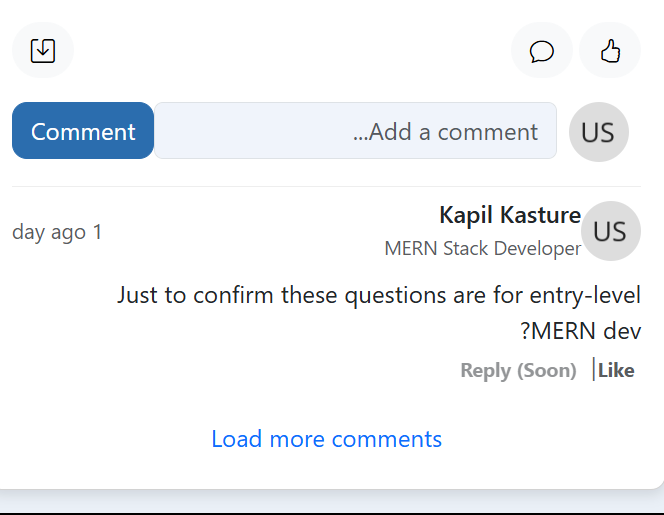
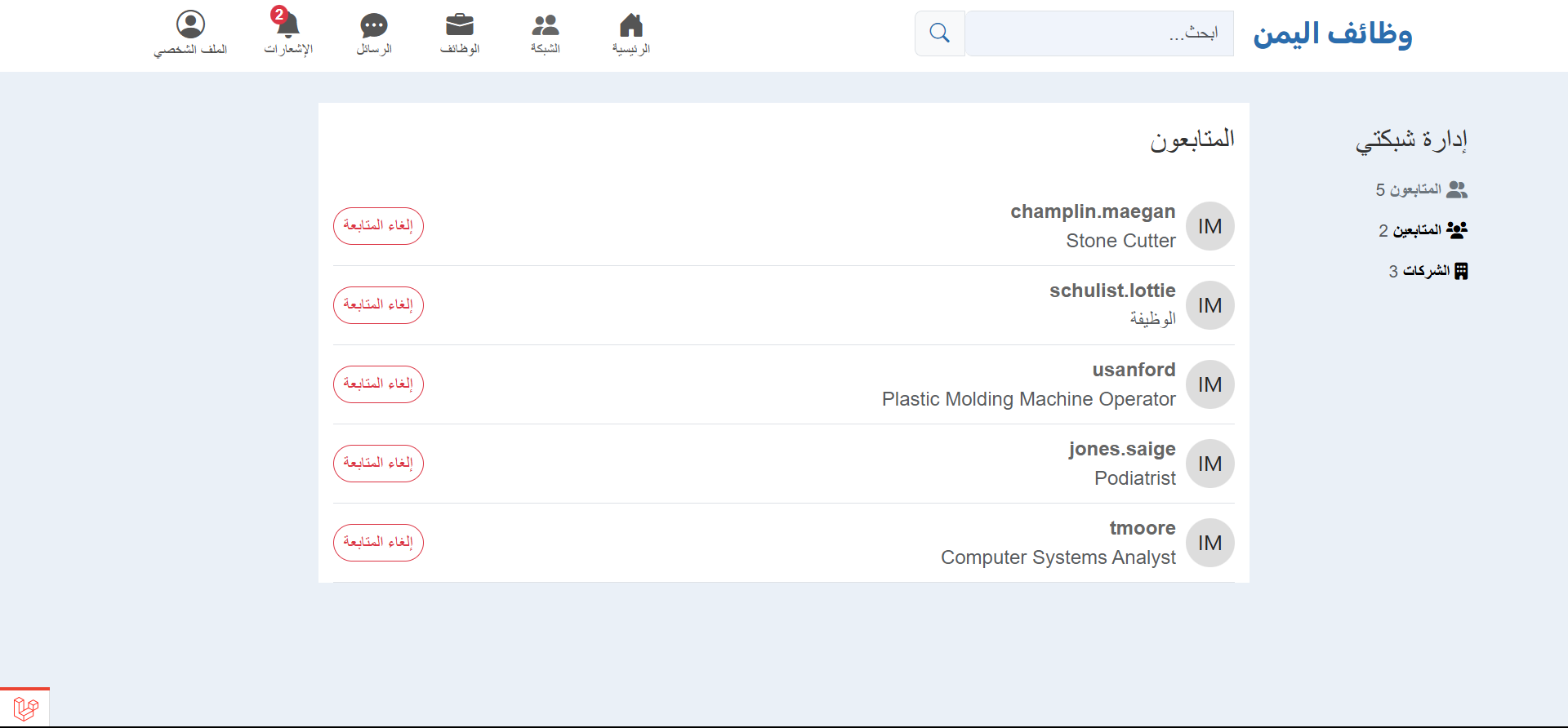
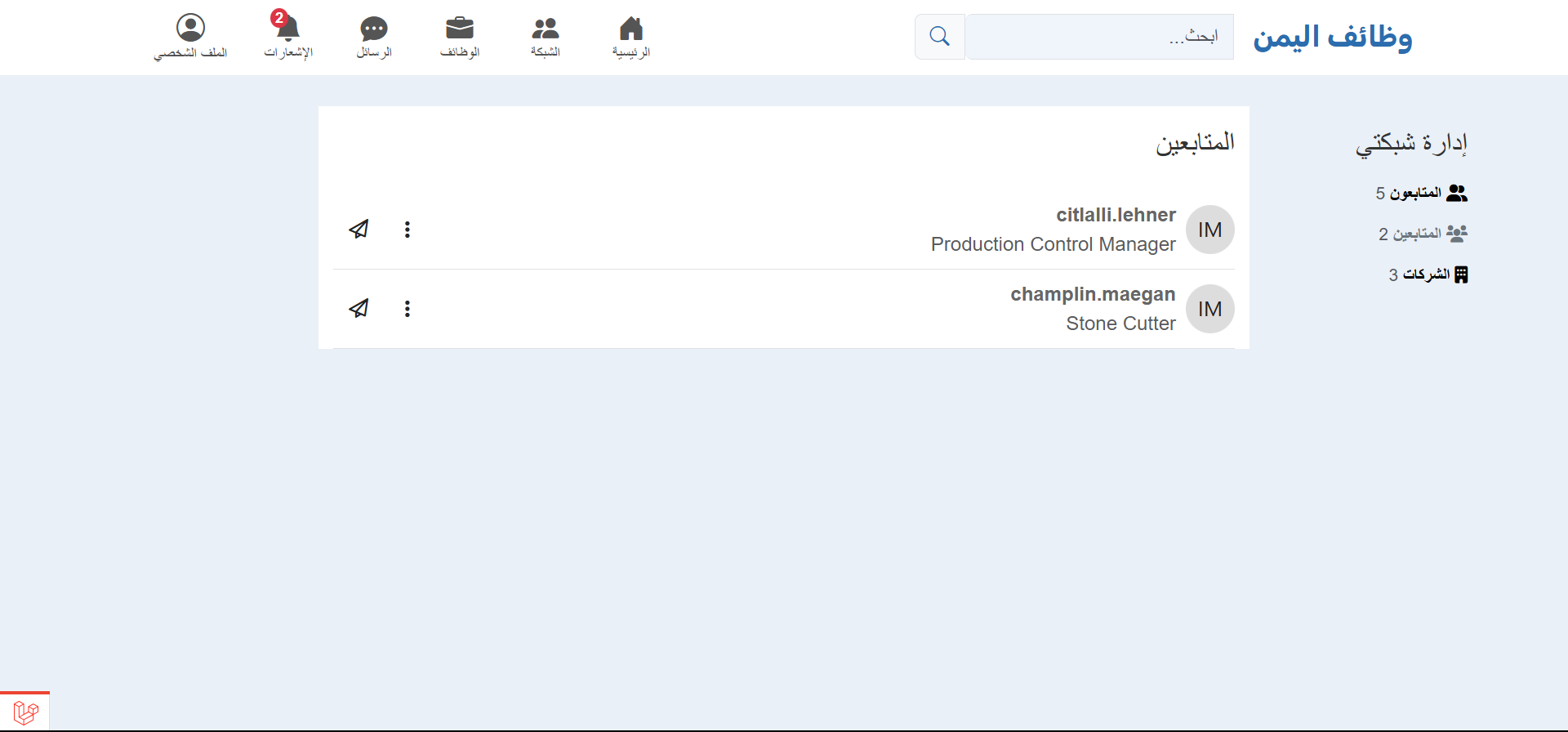
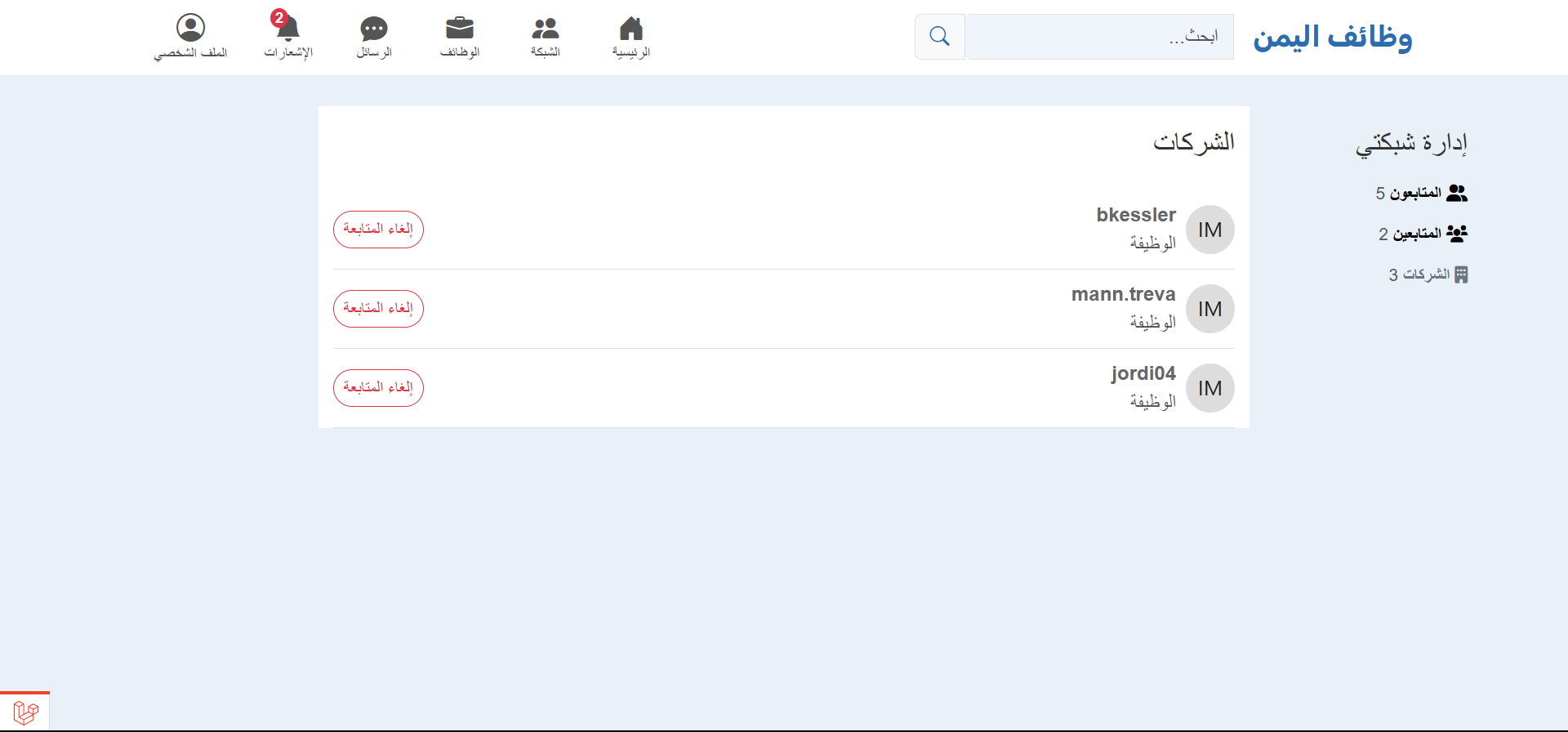
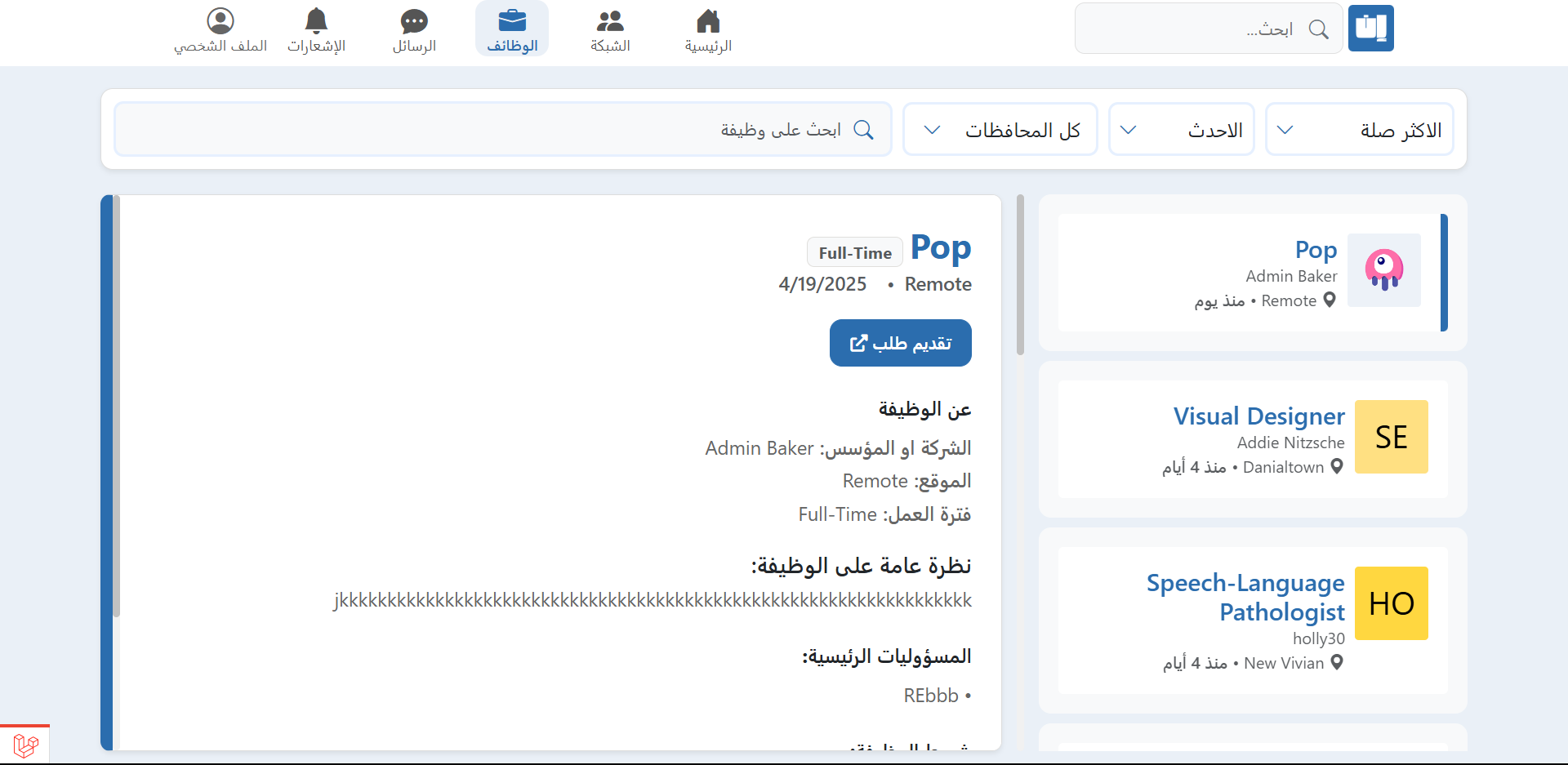
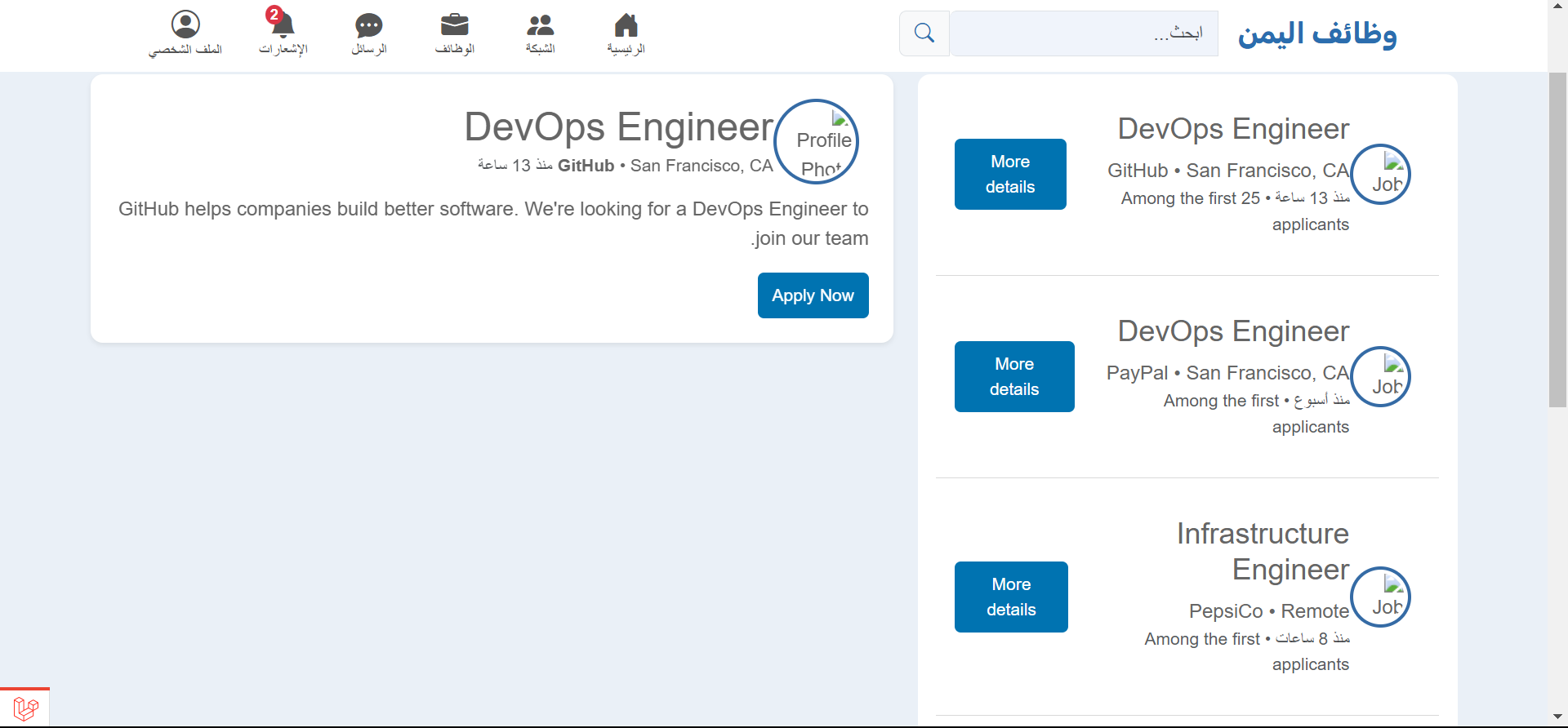
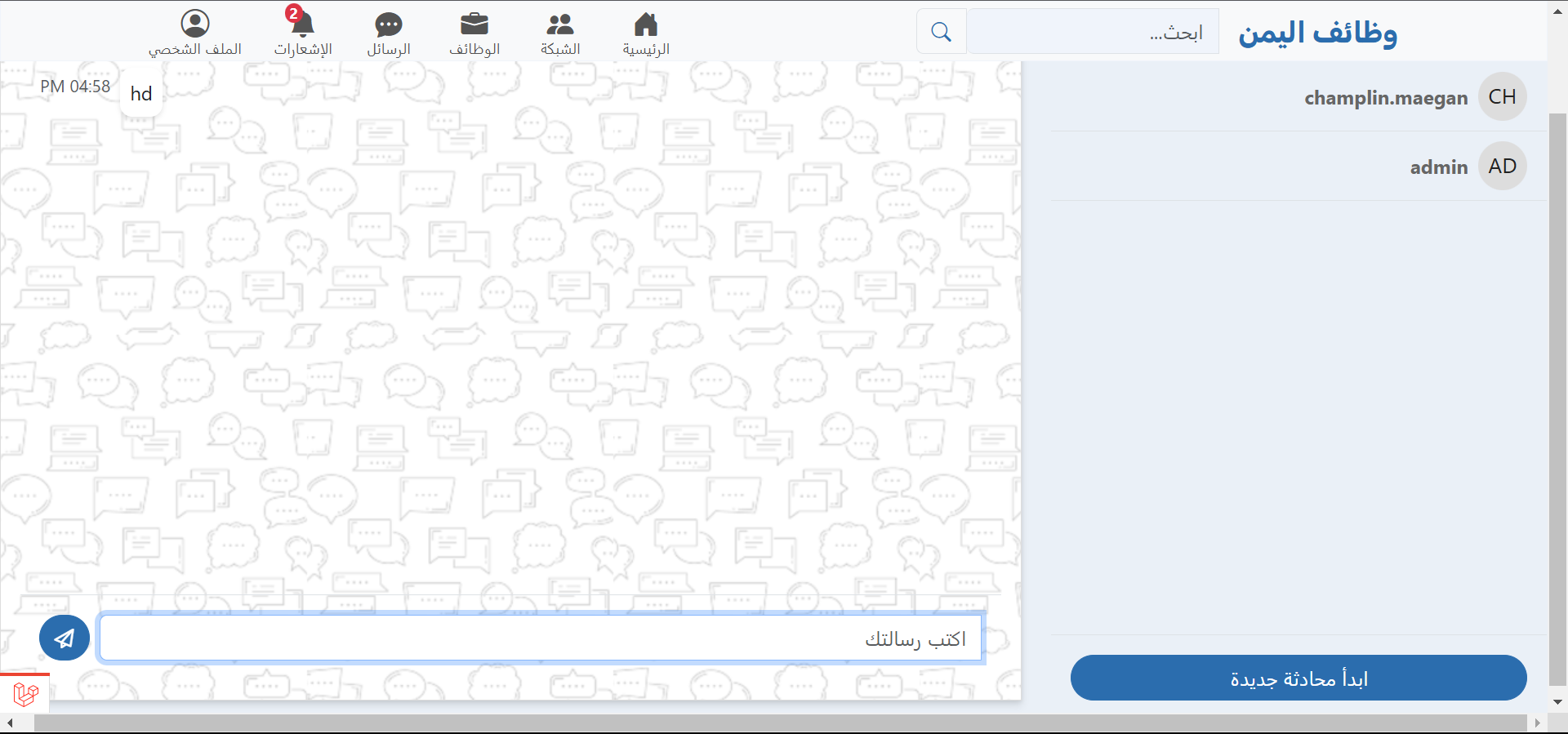
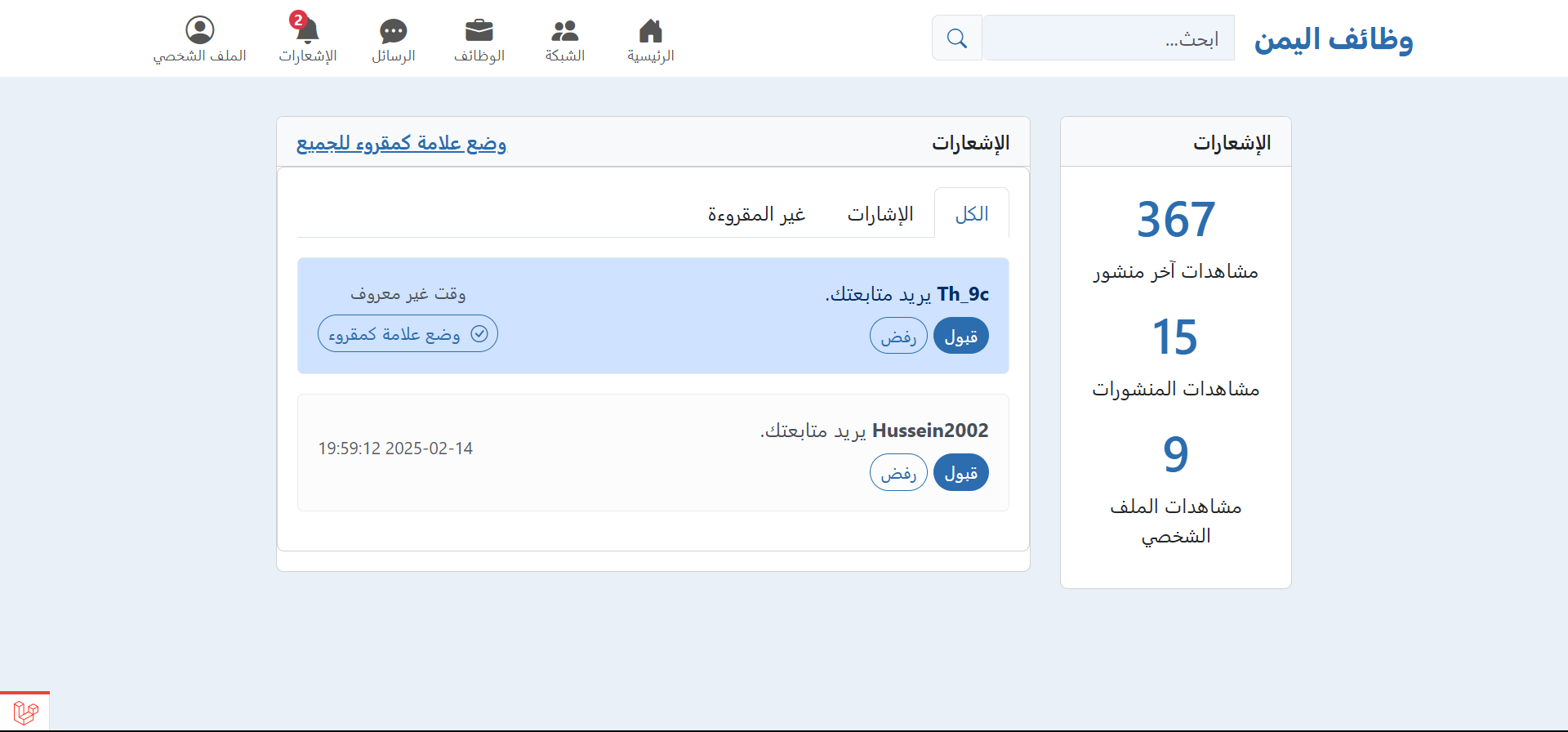
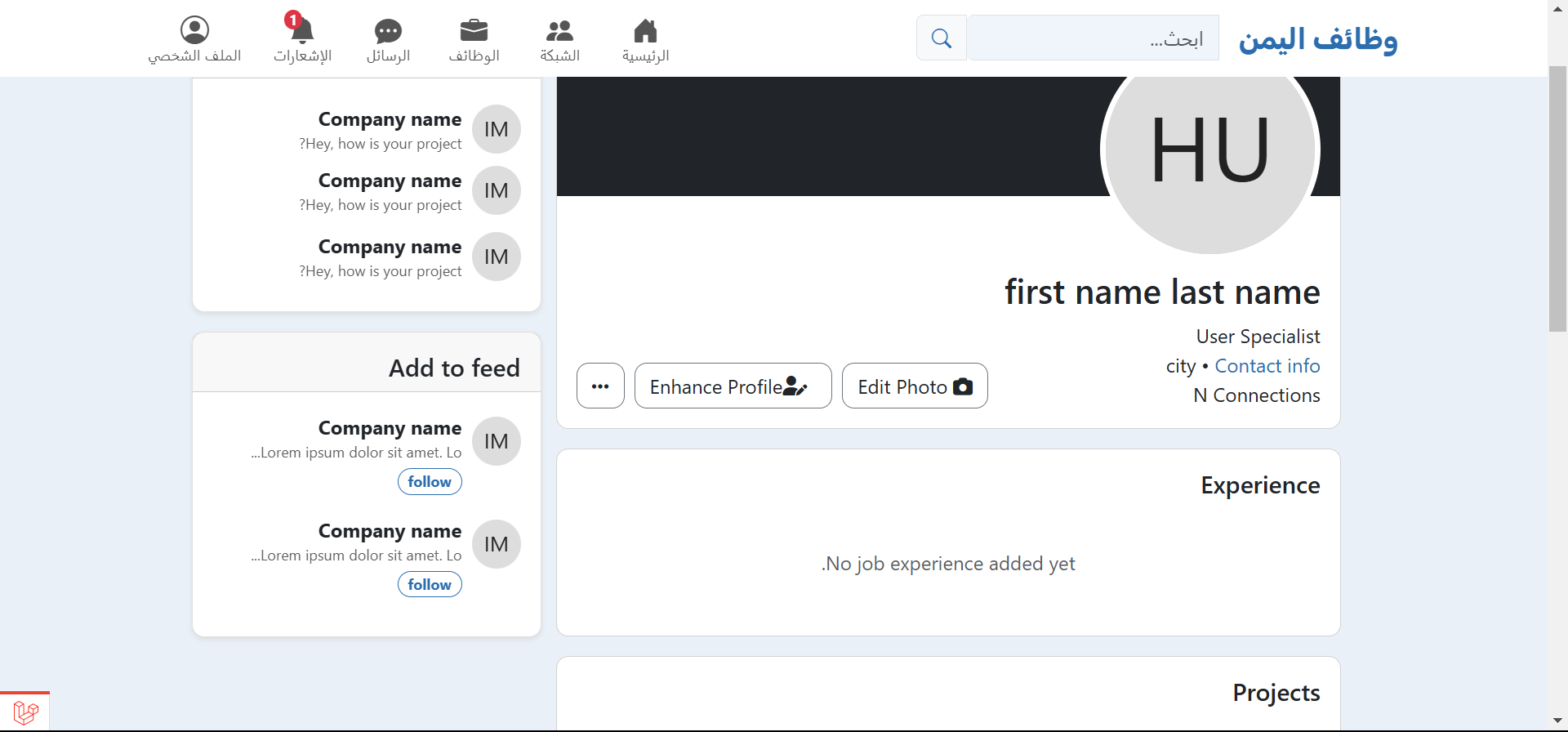
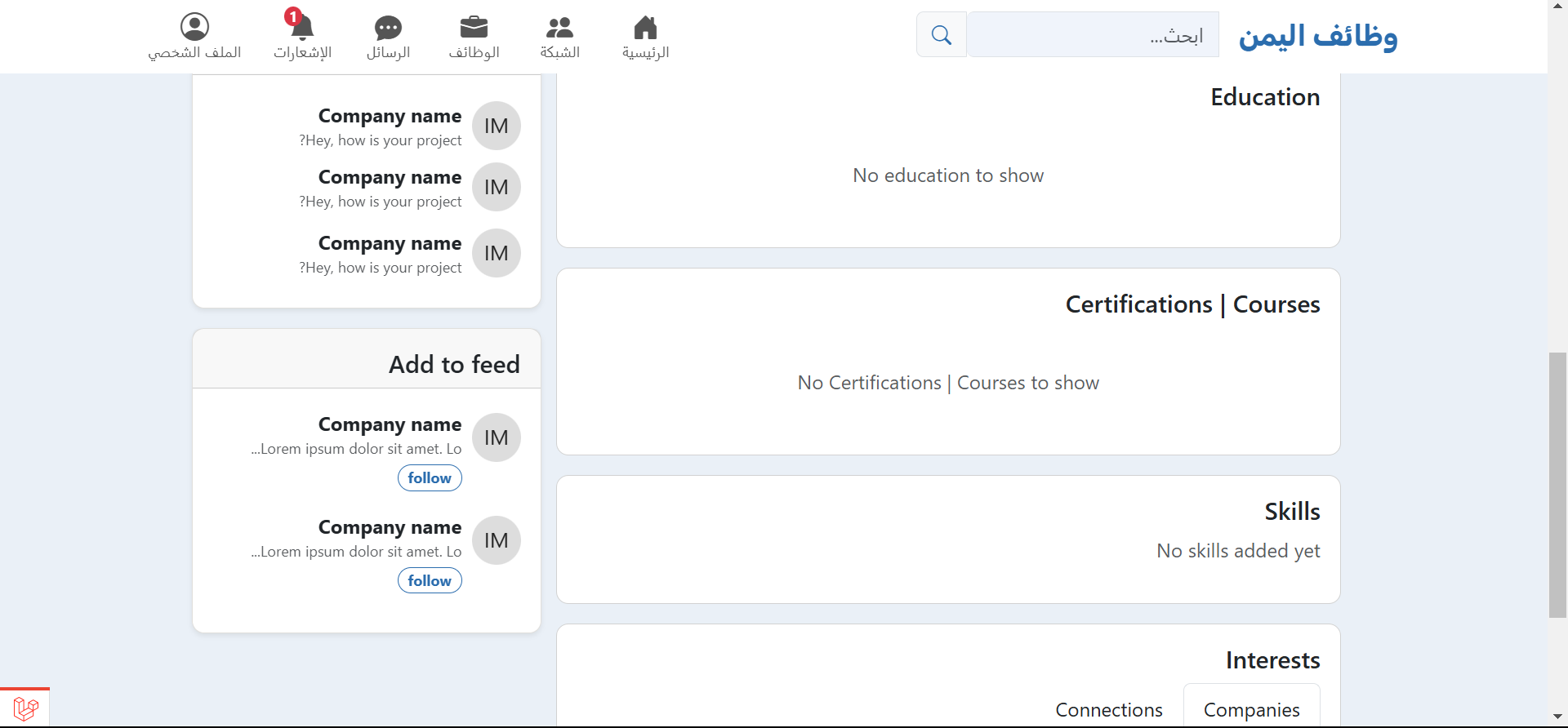
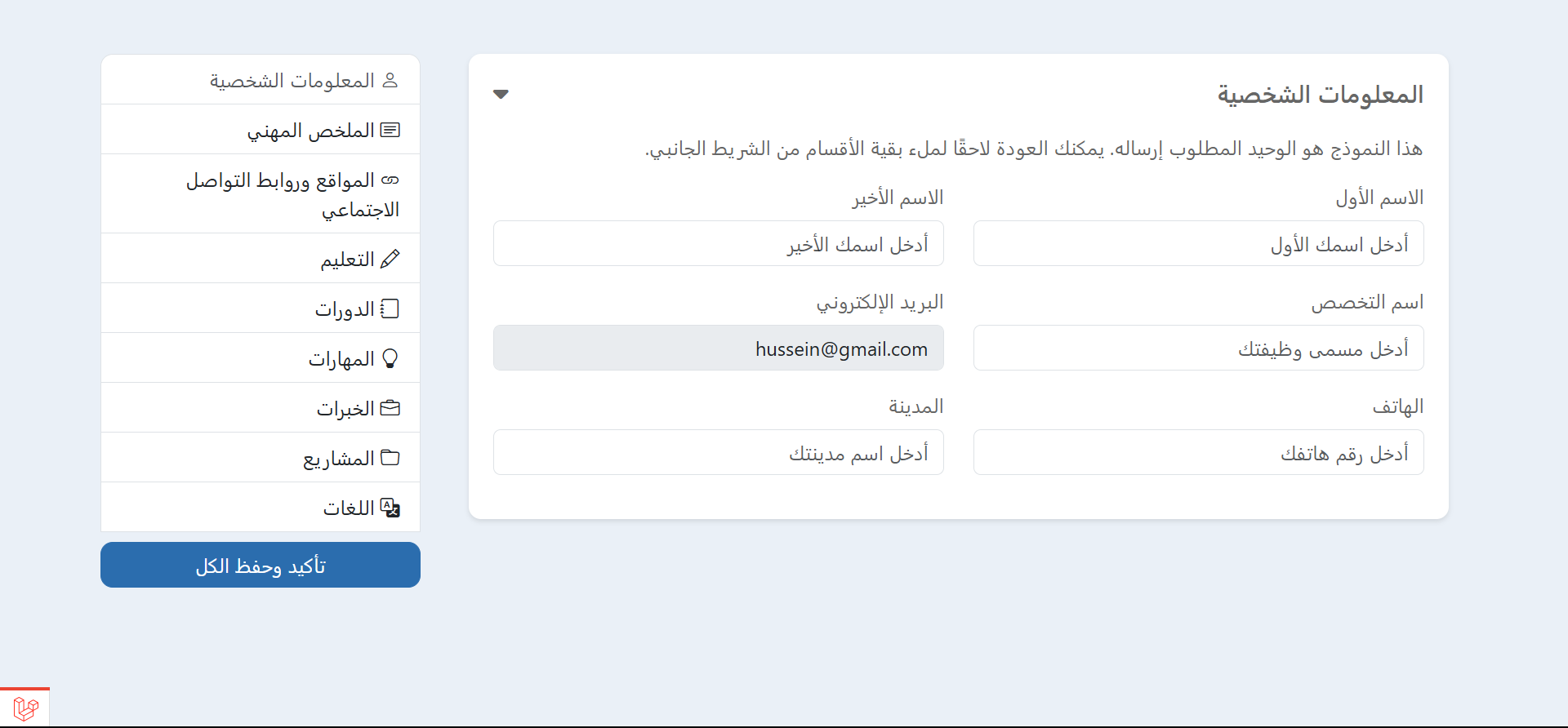
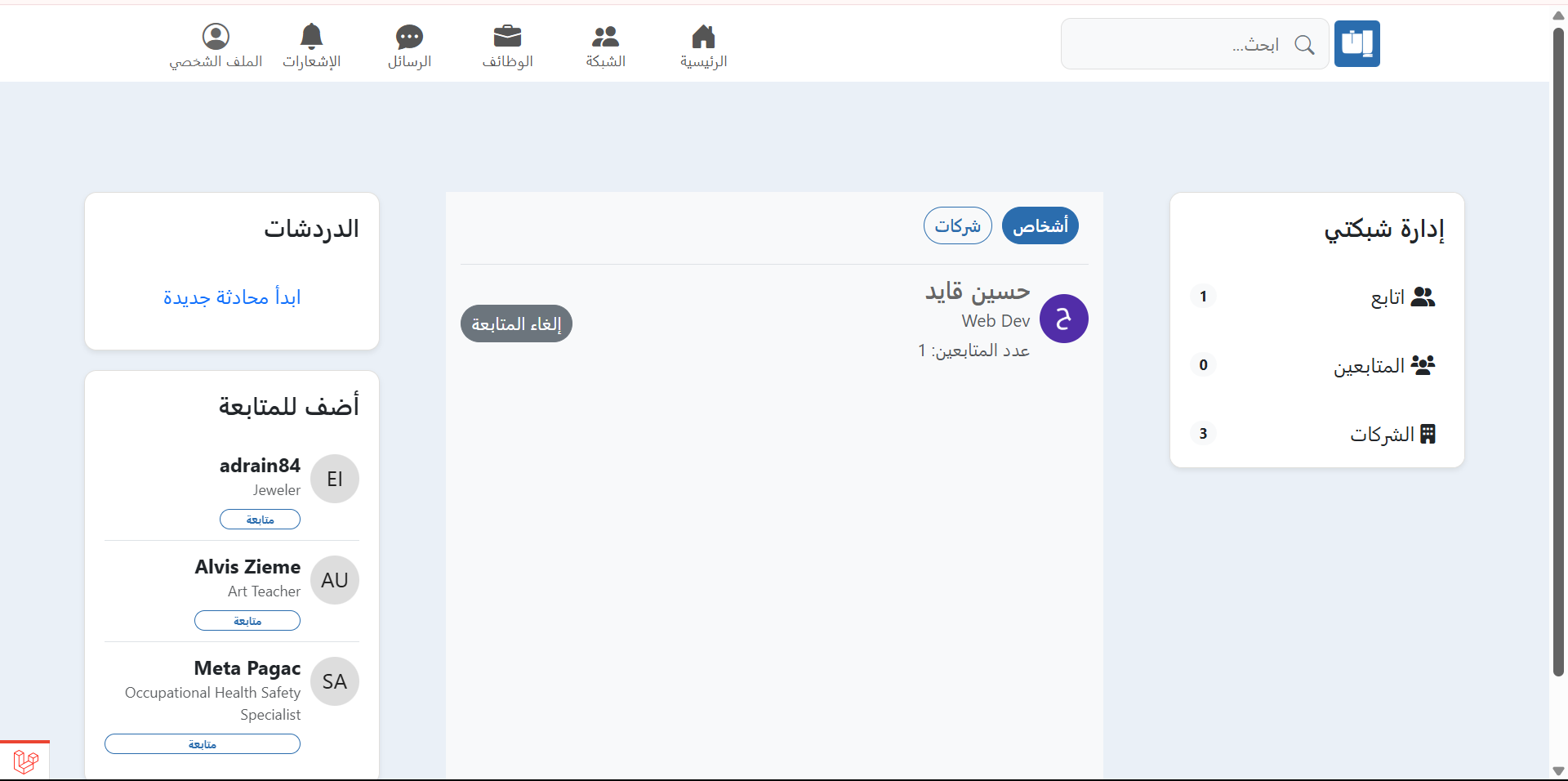
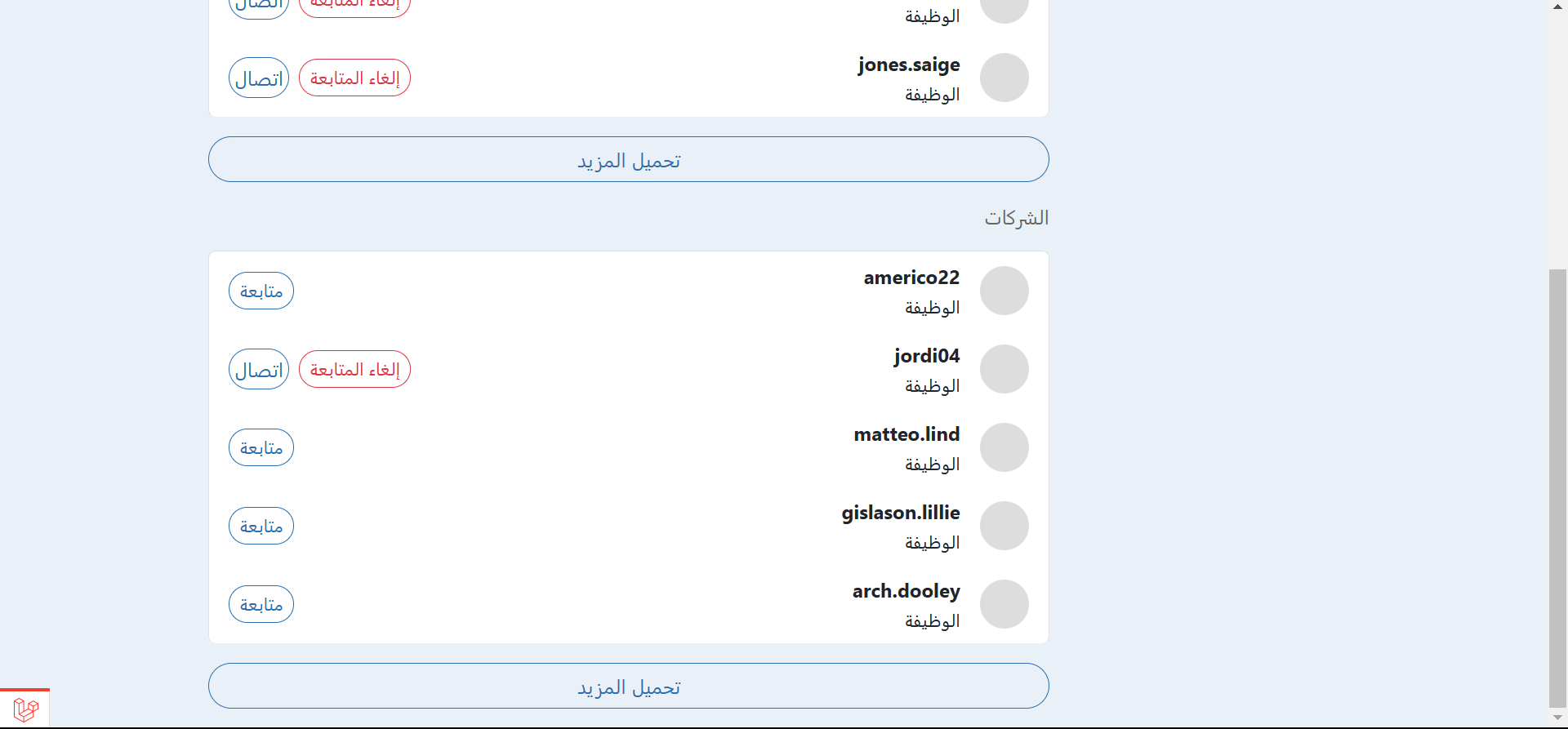
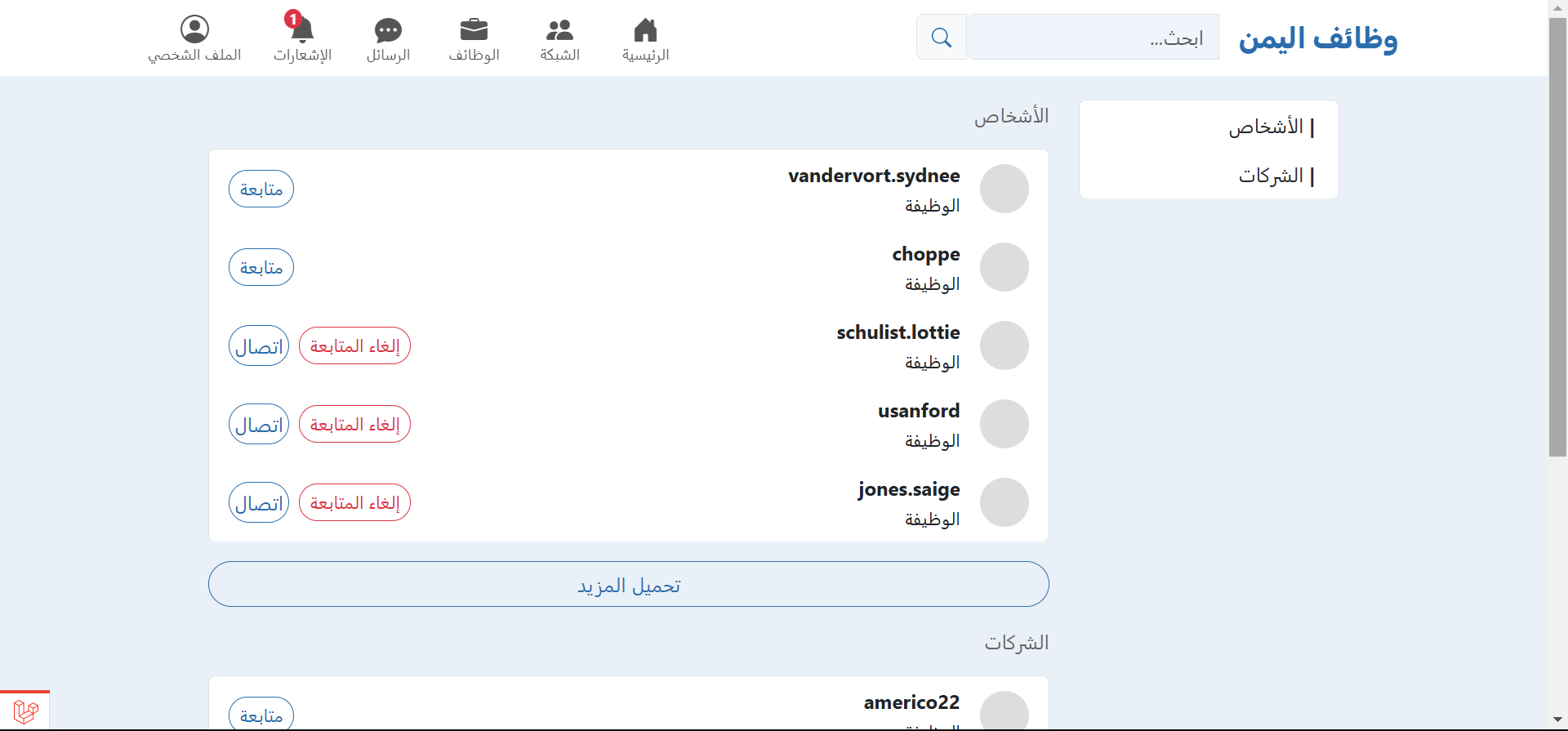
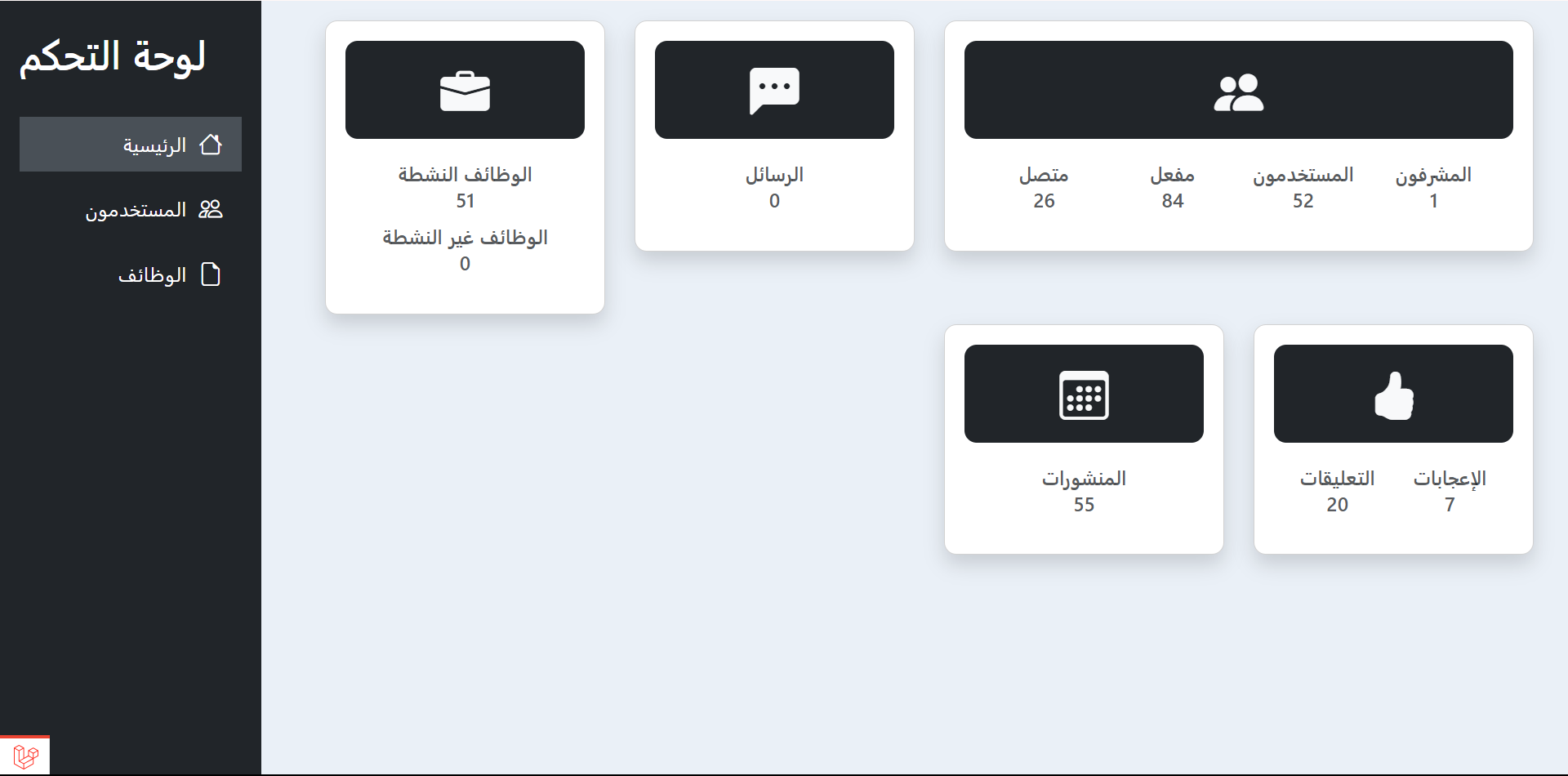
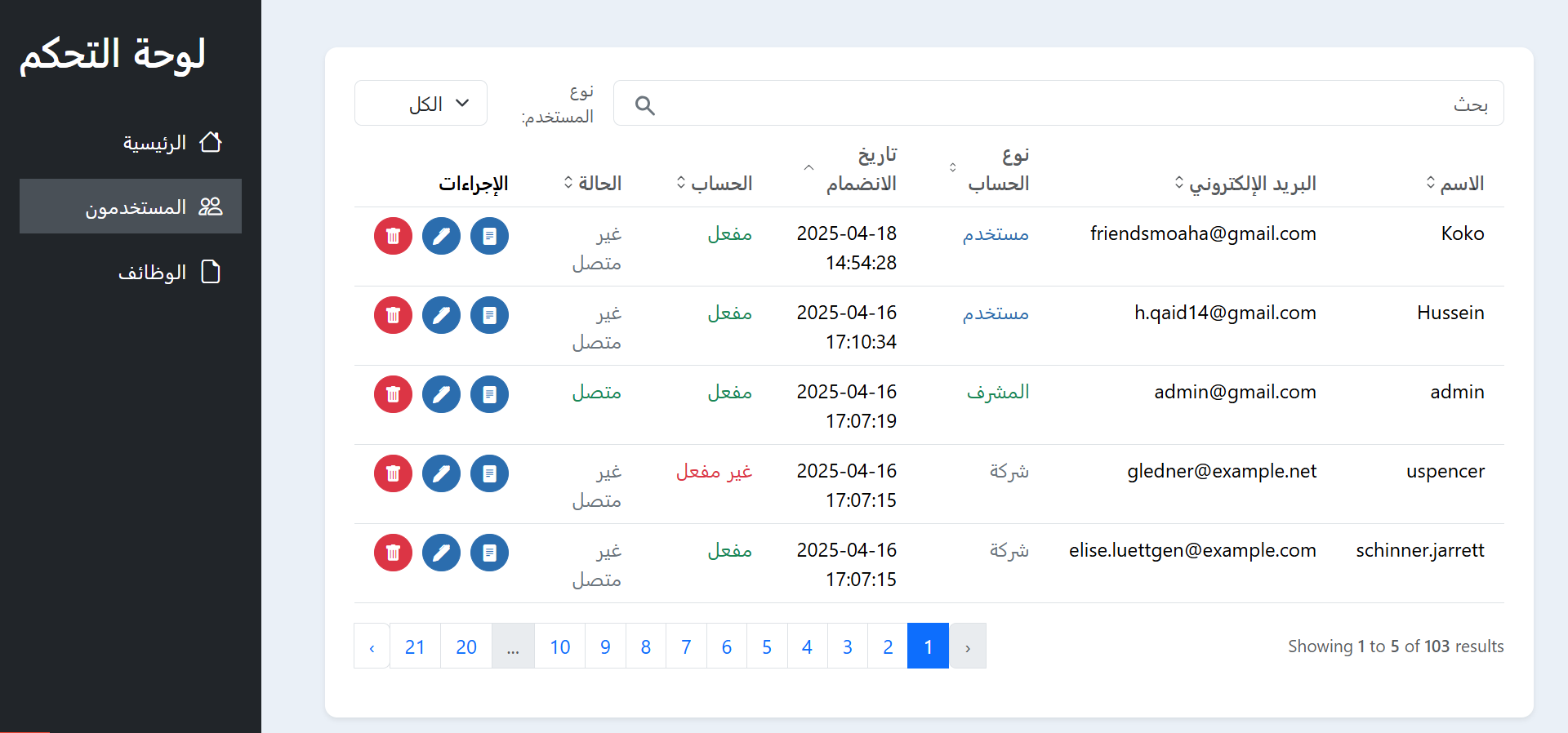
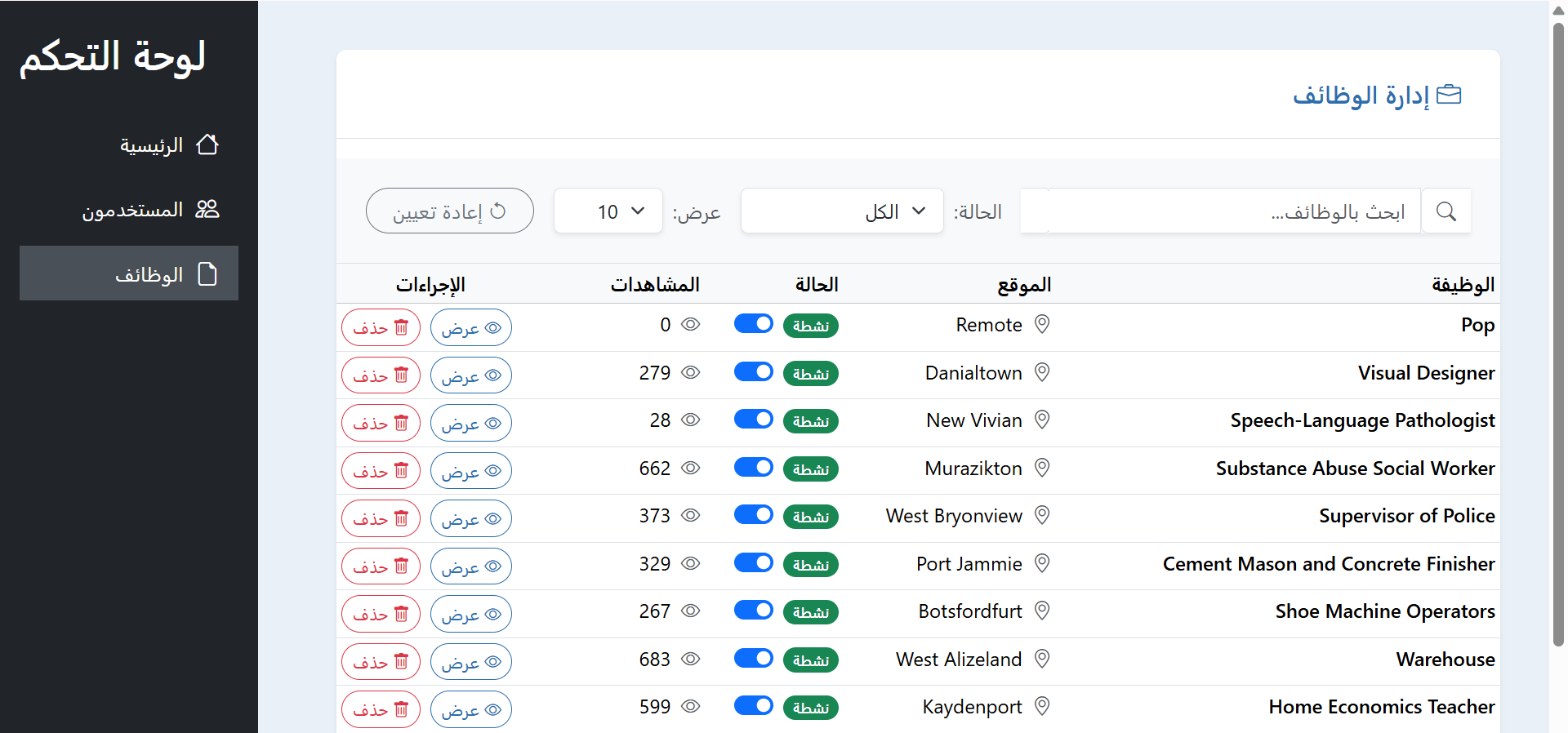
A professional networking and jobs platform built from scratch with Laravel and Livewire. The system handles user authentication (including Google login), user profiles, posts and comments, a follow system, company pages, job listings, real-time chat, and notifications. An admin dashboard manages users and jobs. Integrates with CareerAI for CV analysis.
A backend API for team task management built with ASP.NET Core and Clean Architecture. Provides RESTful endpoints for task assignment, status tracking, and JWT-based authentication. Data access is handled via ADO.NET with stored procedures and asynchronous database operations (async/await) to keep queries efficient and the codebase maintainable.
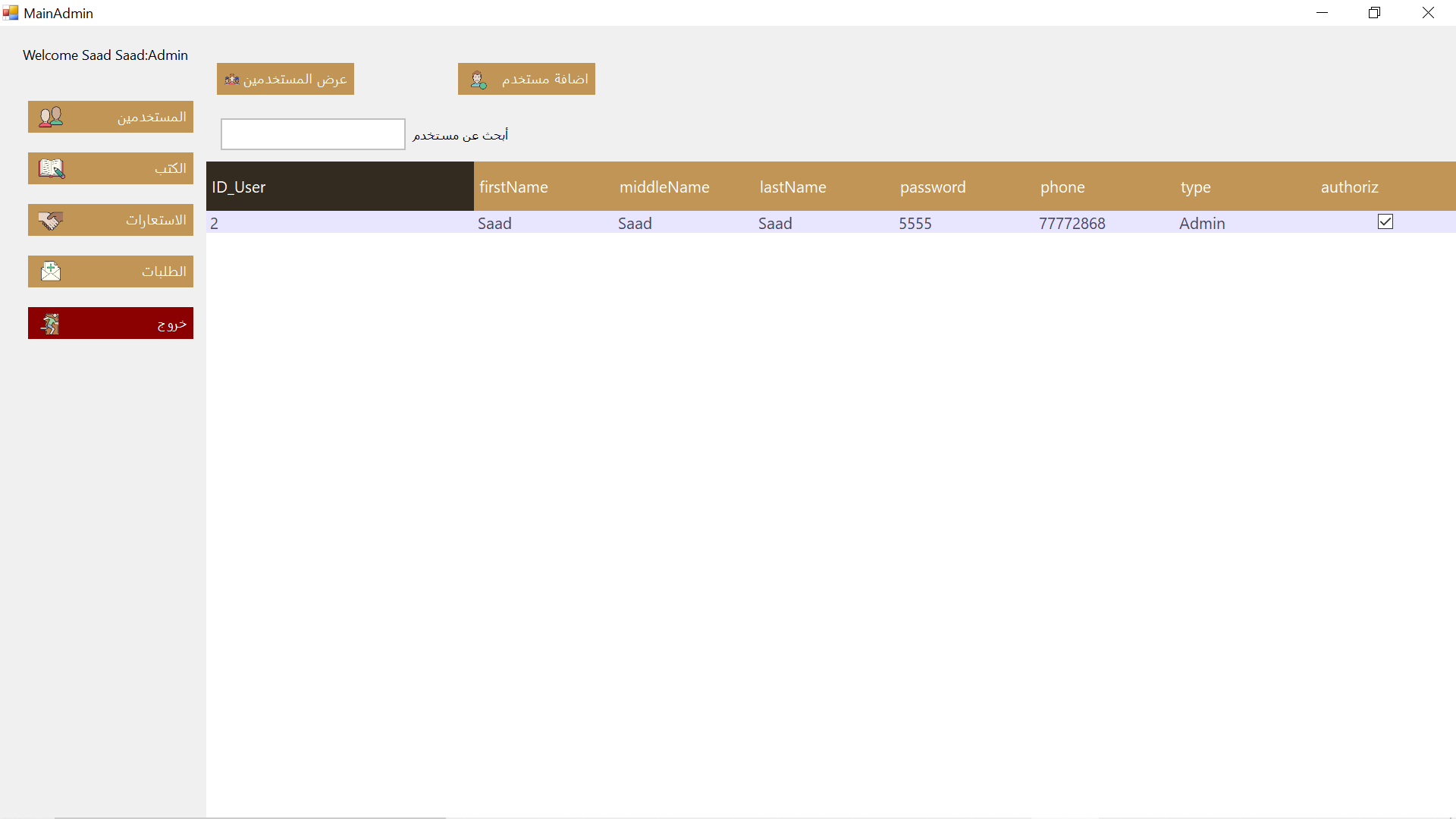
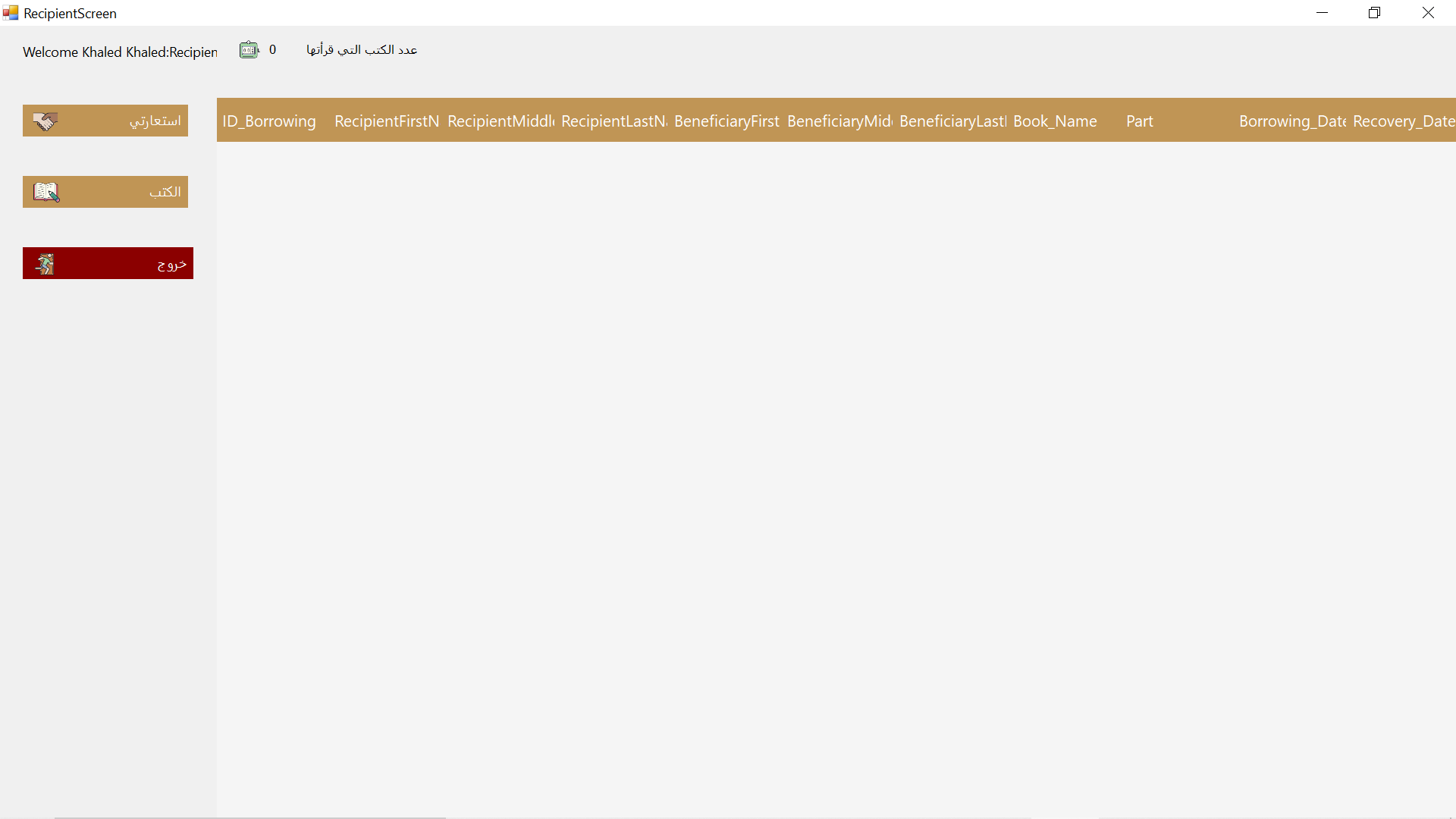
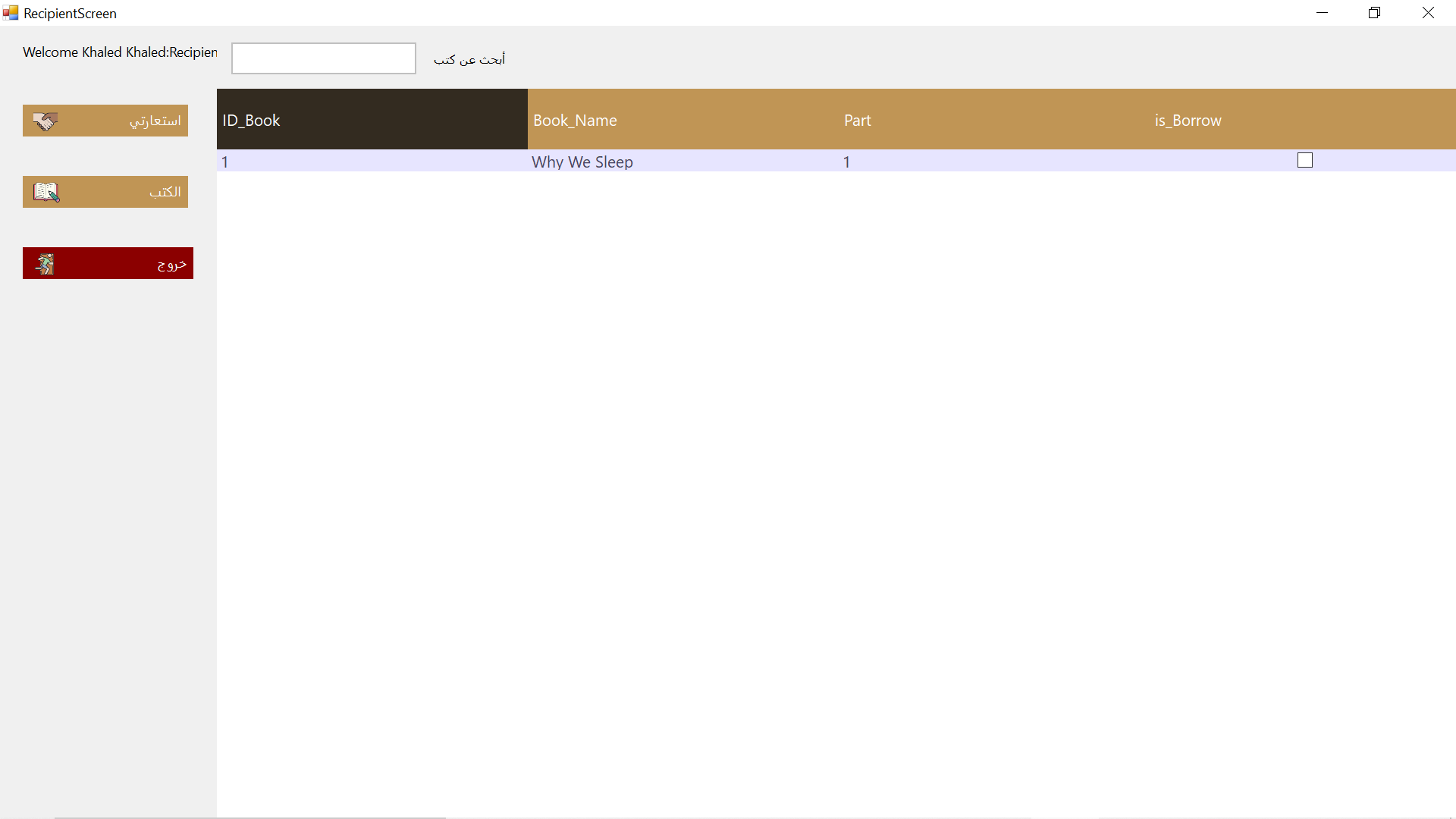
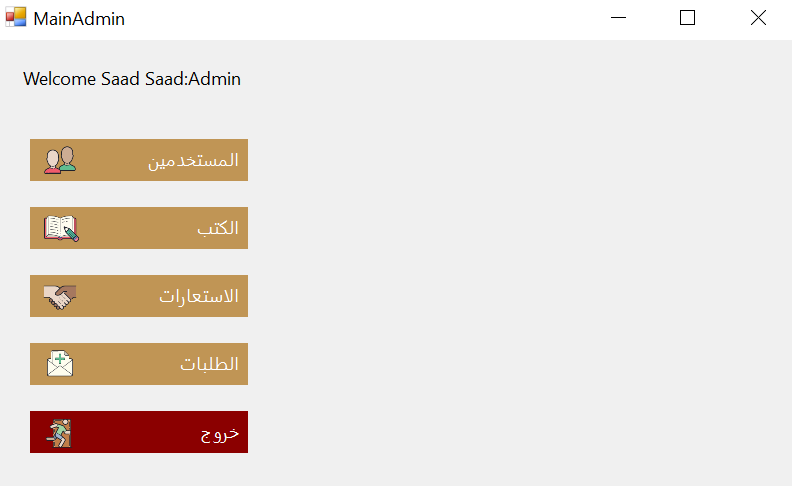
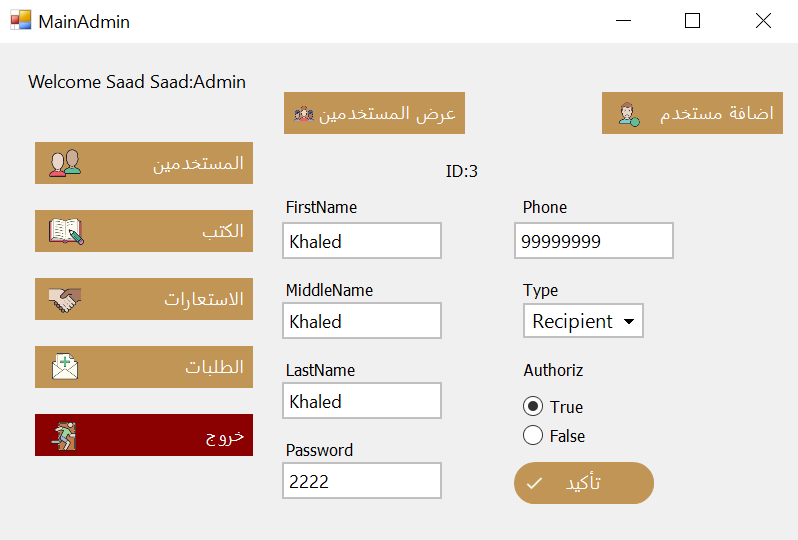
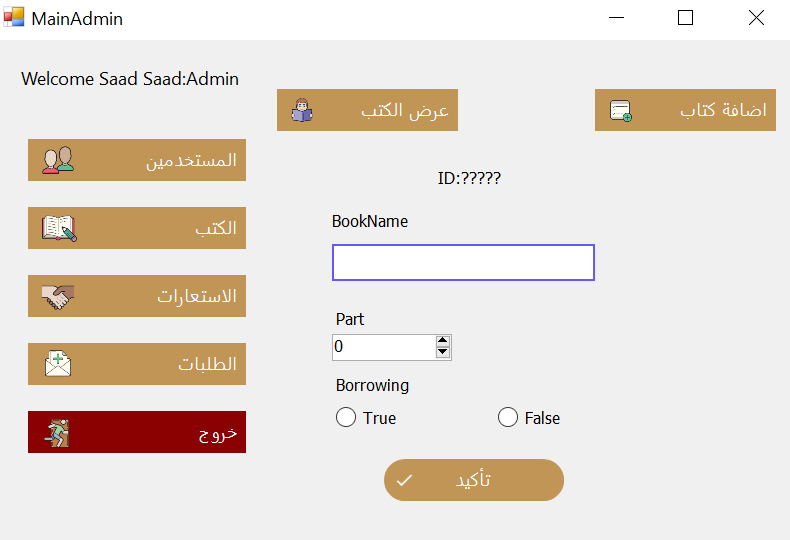
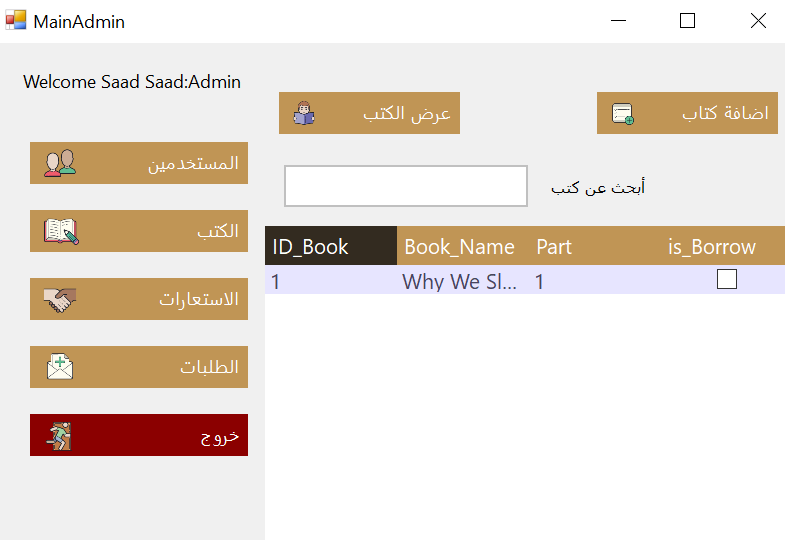
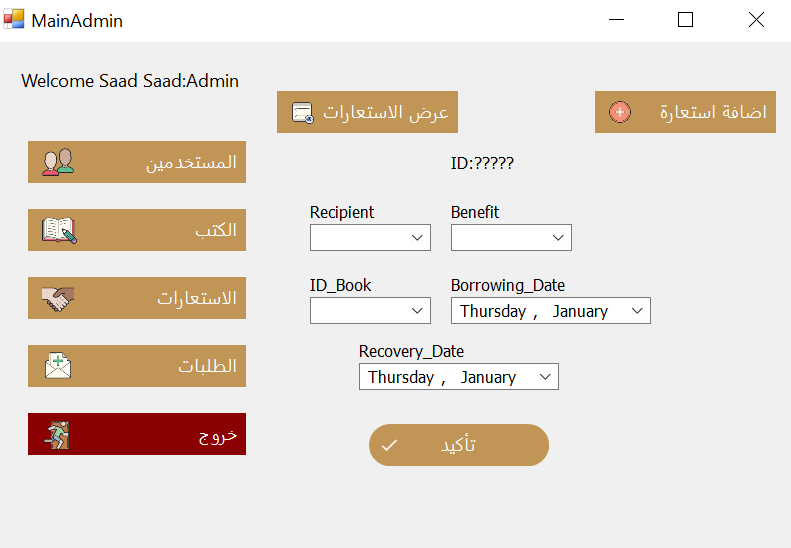
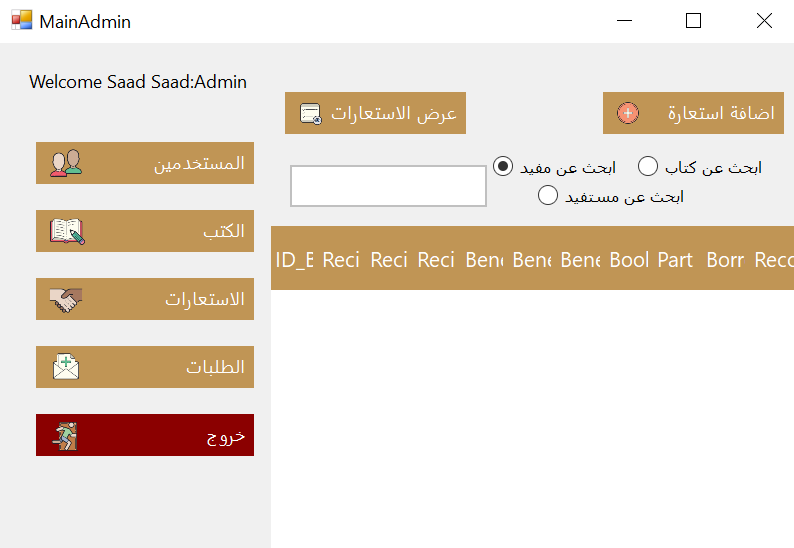
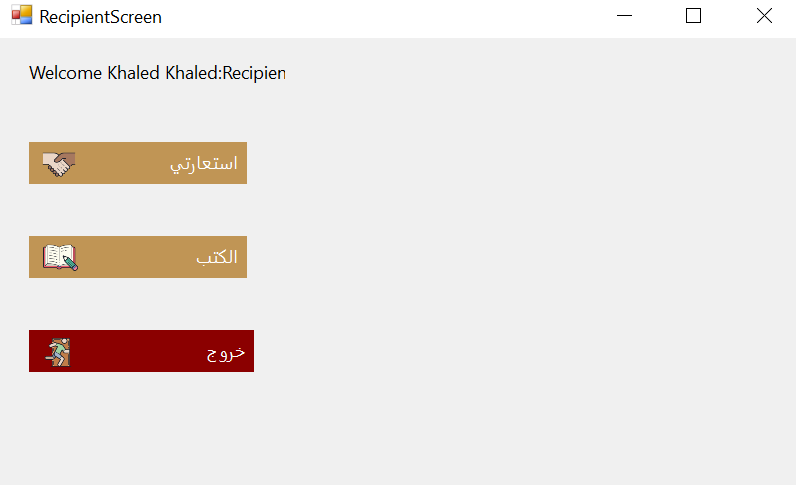
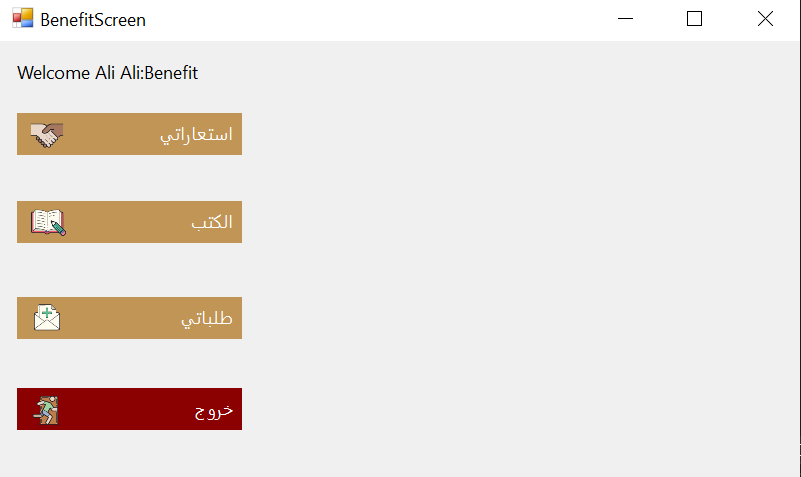
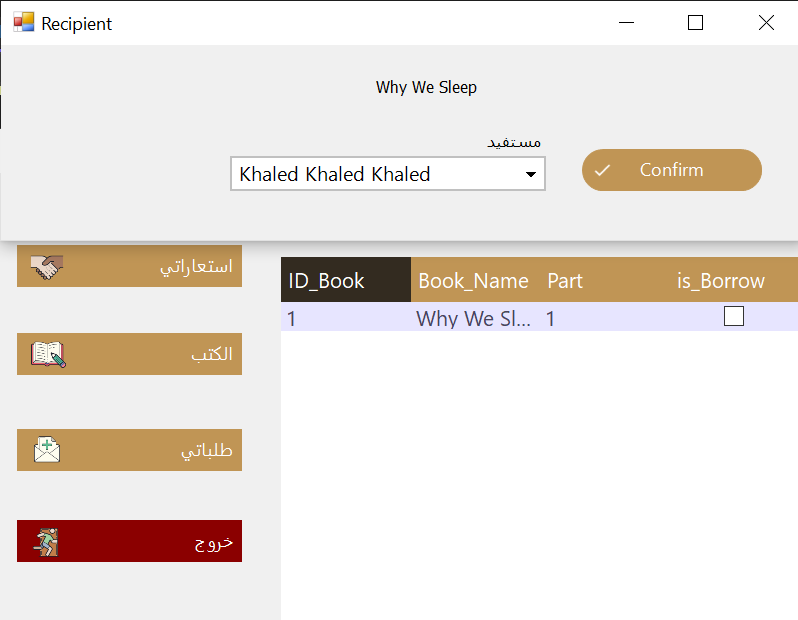
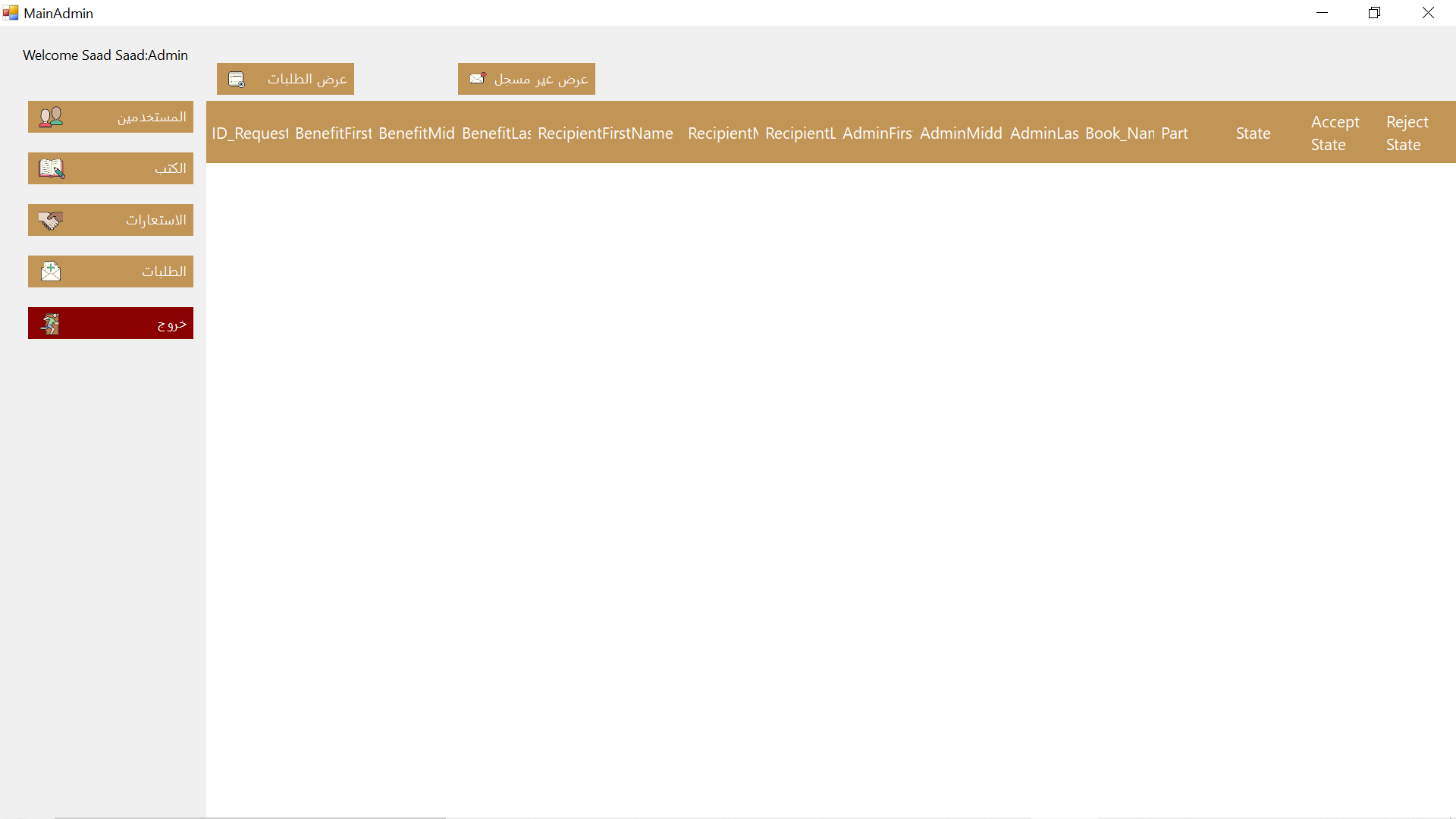
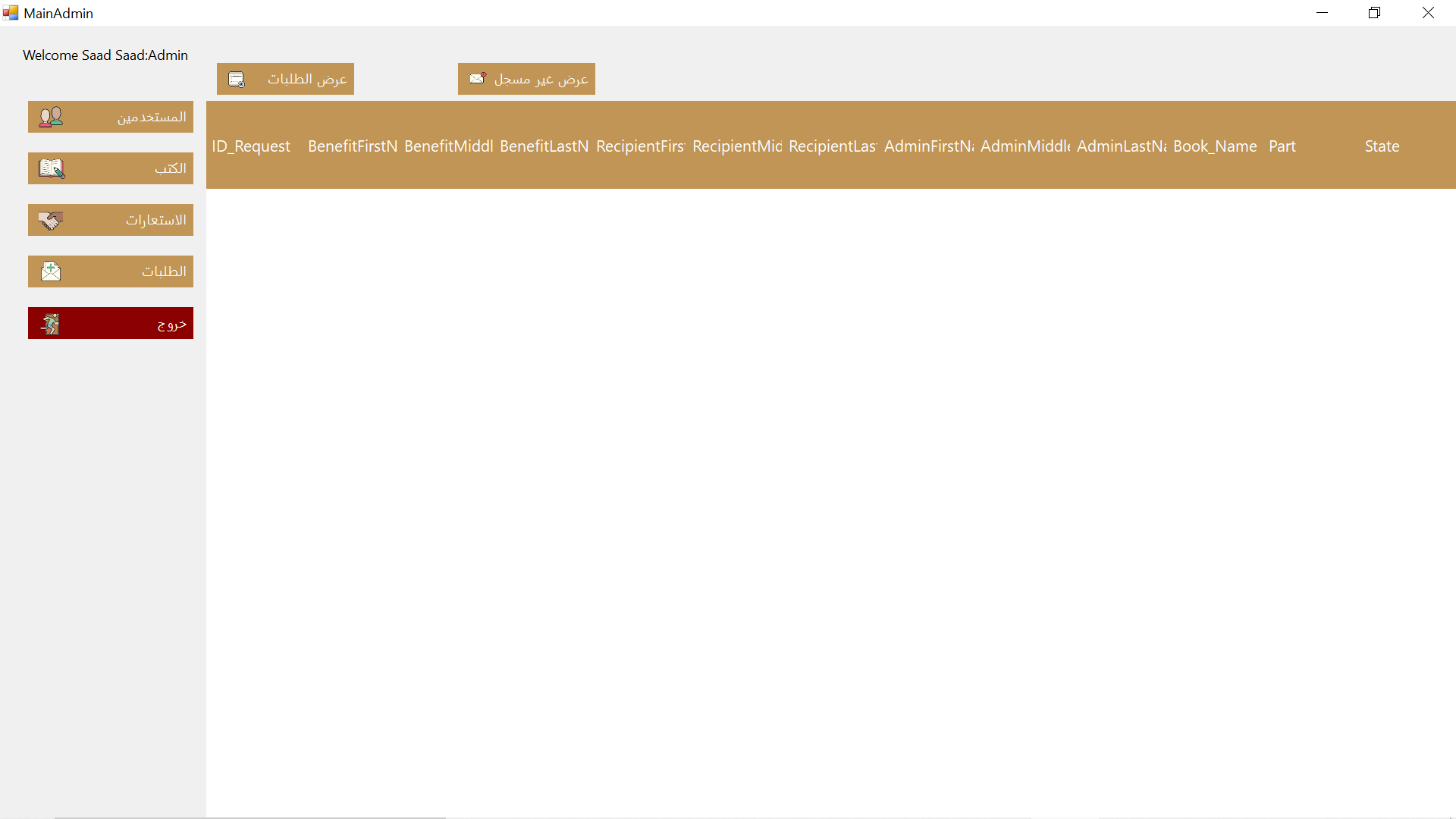
Desktop application developed using C# and .NET Framework to efficiently manage library operations. The system includes three user roles: Admin, Instructor, and Student. Admin oversees all operations, including managing books, users, borrow records, and approving borrowing requests. Instructors guide specific books and request borrowing, while students can view available books and track their borrow history. The application follows a 3-tier architecture with a role-based permission system for maintainability, scalability, and a smooth organized user experience.
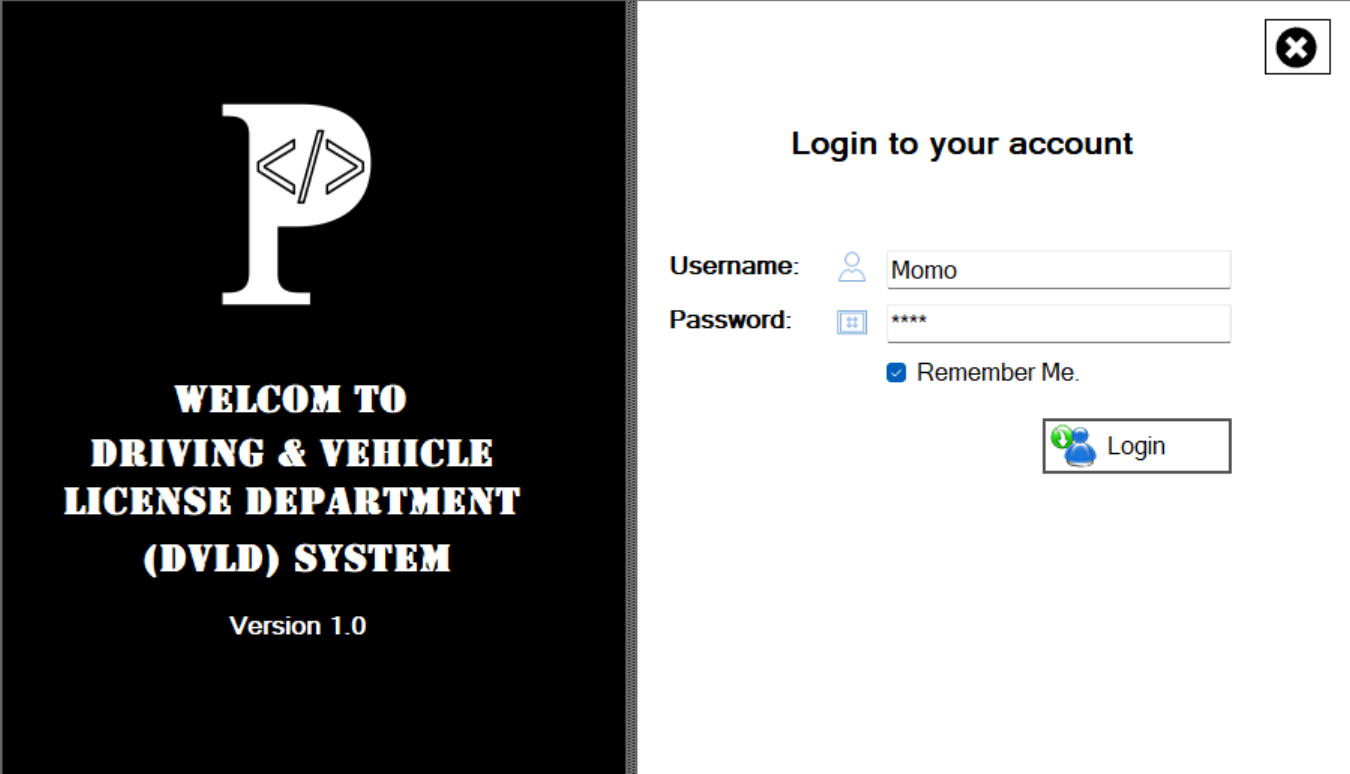
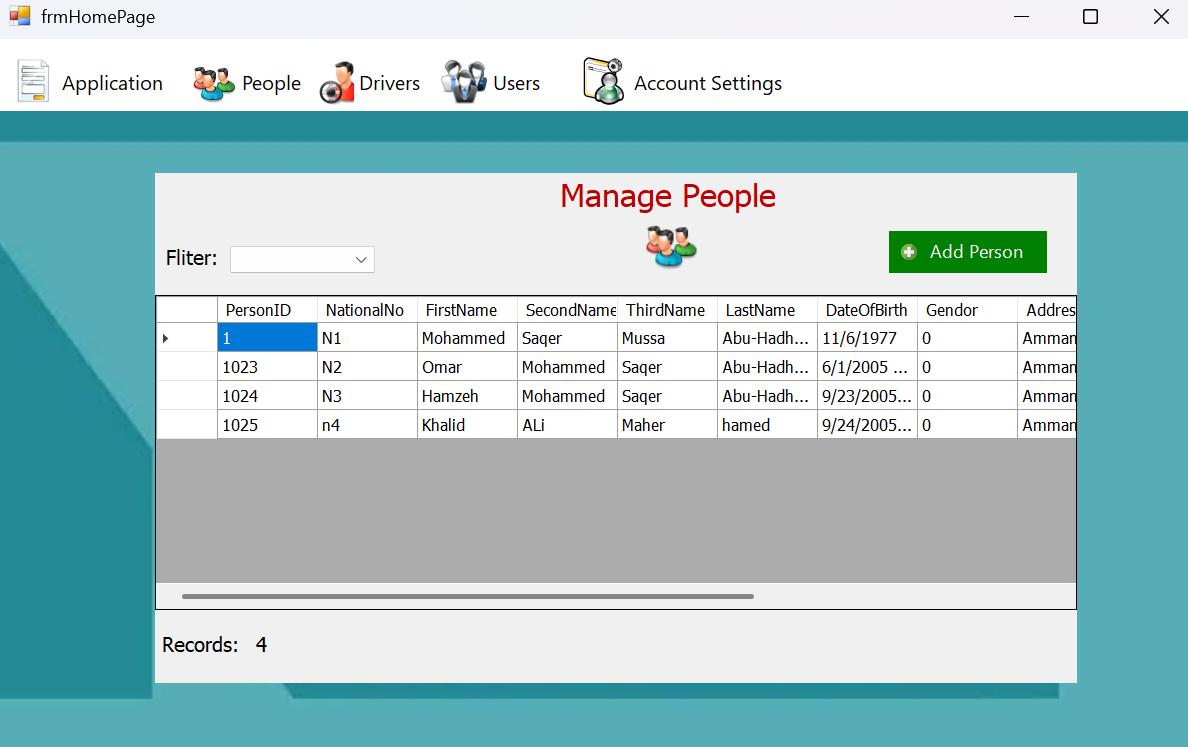
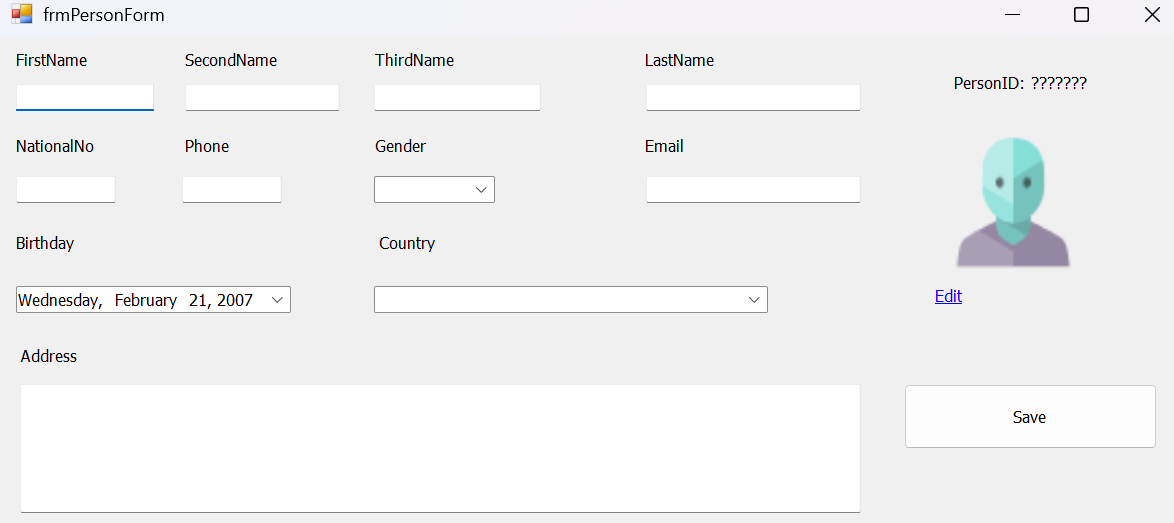
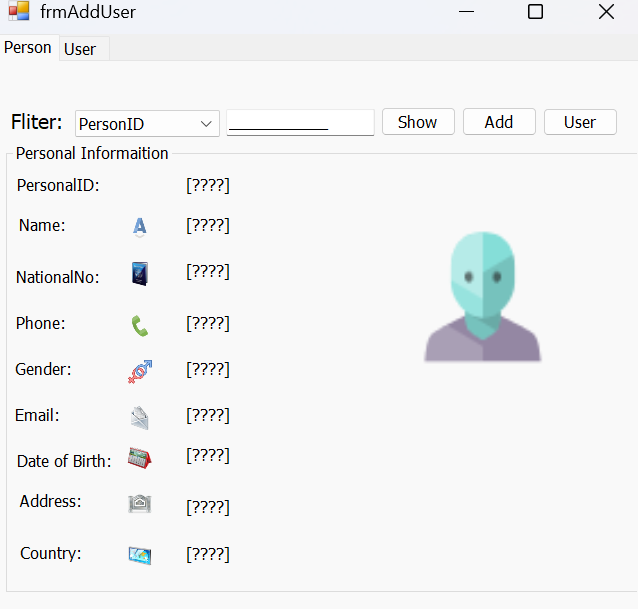
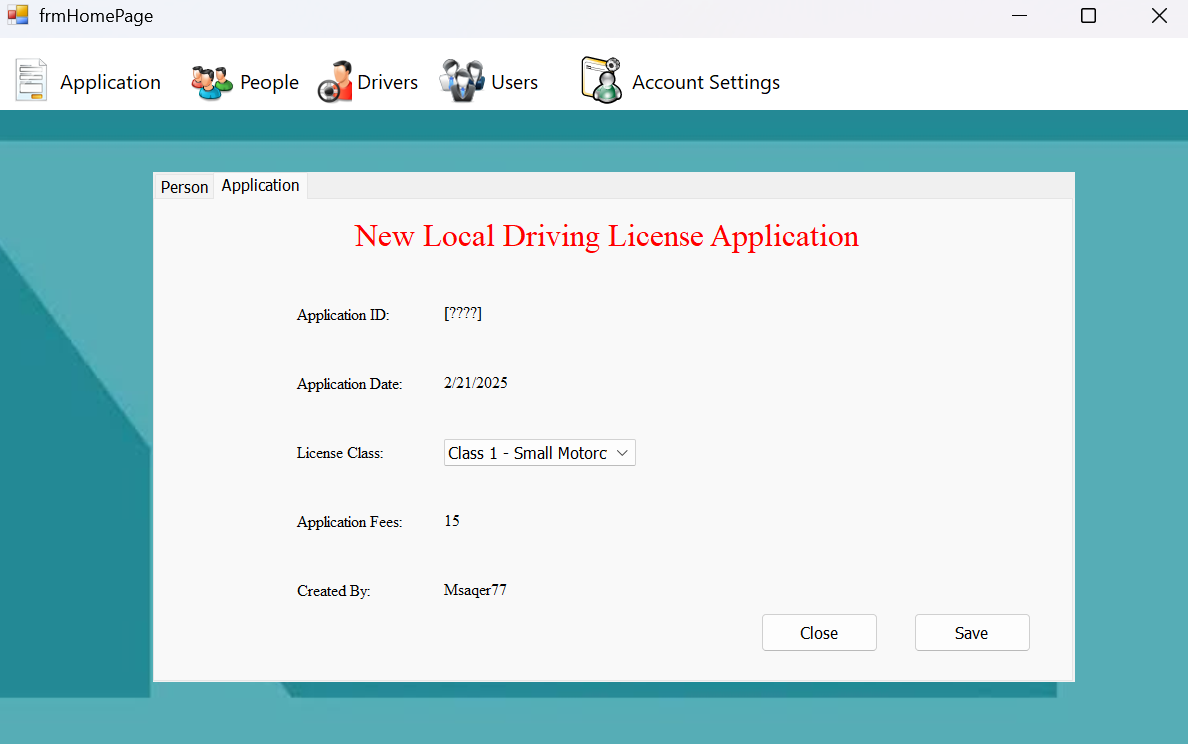
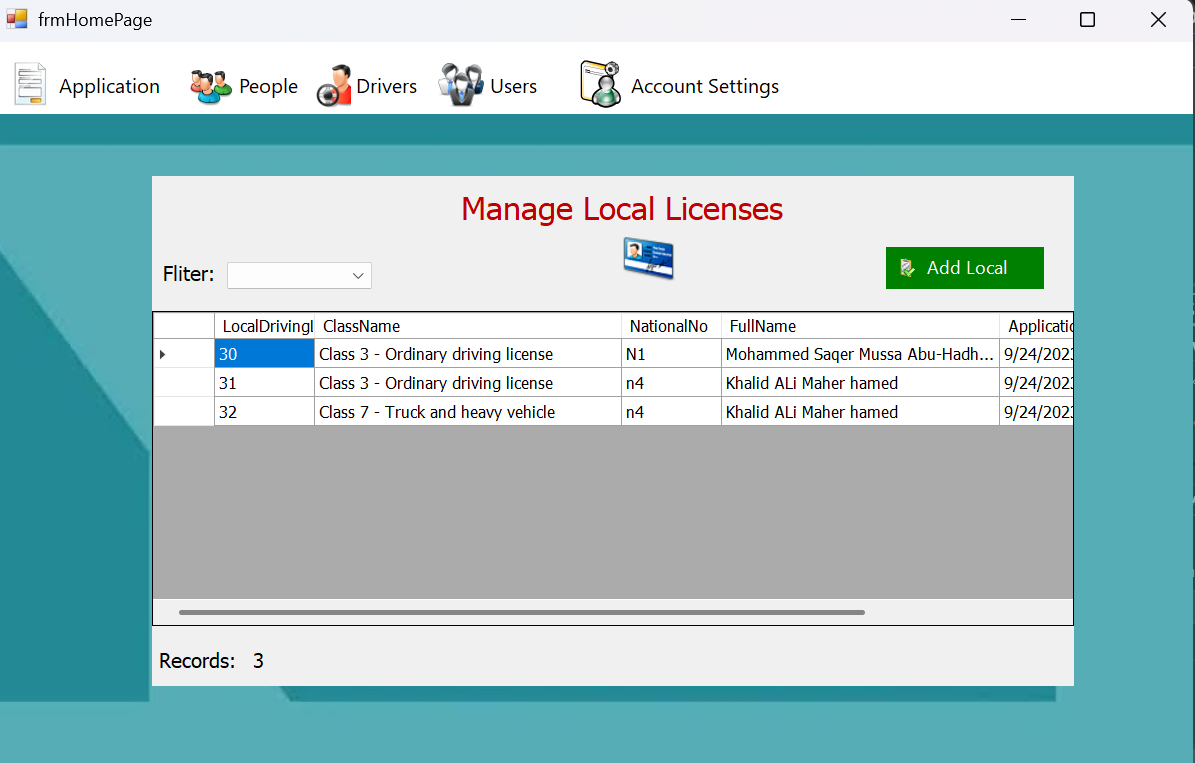
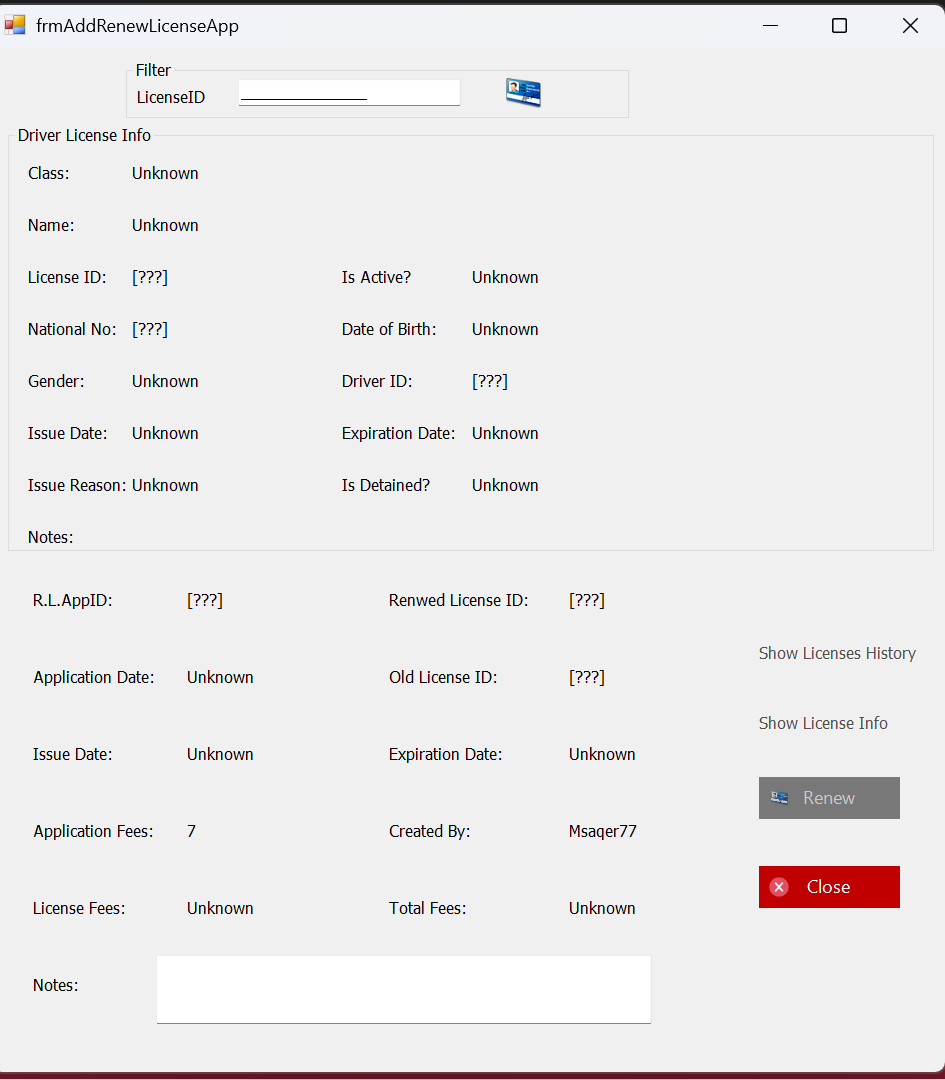
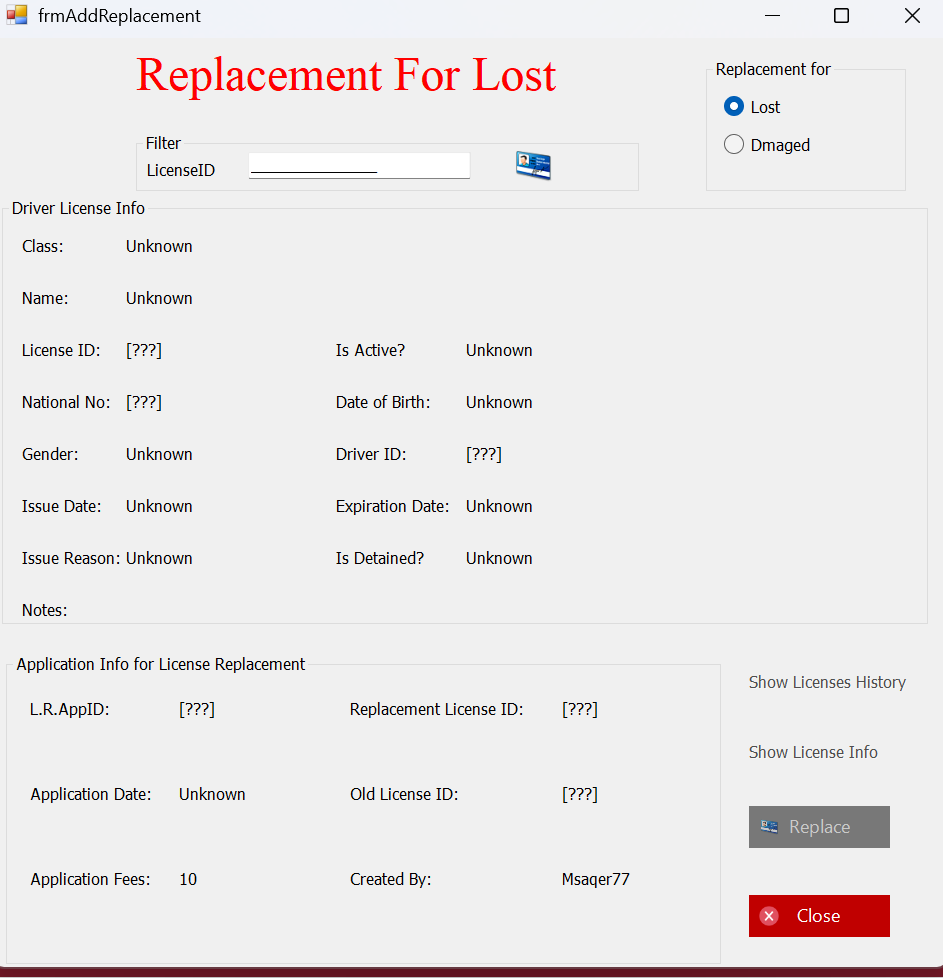
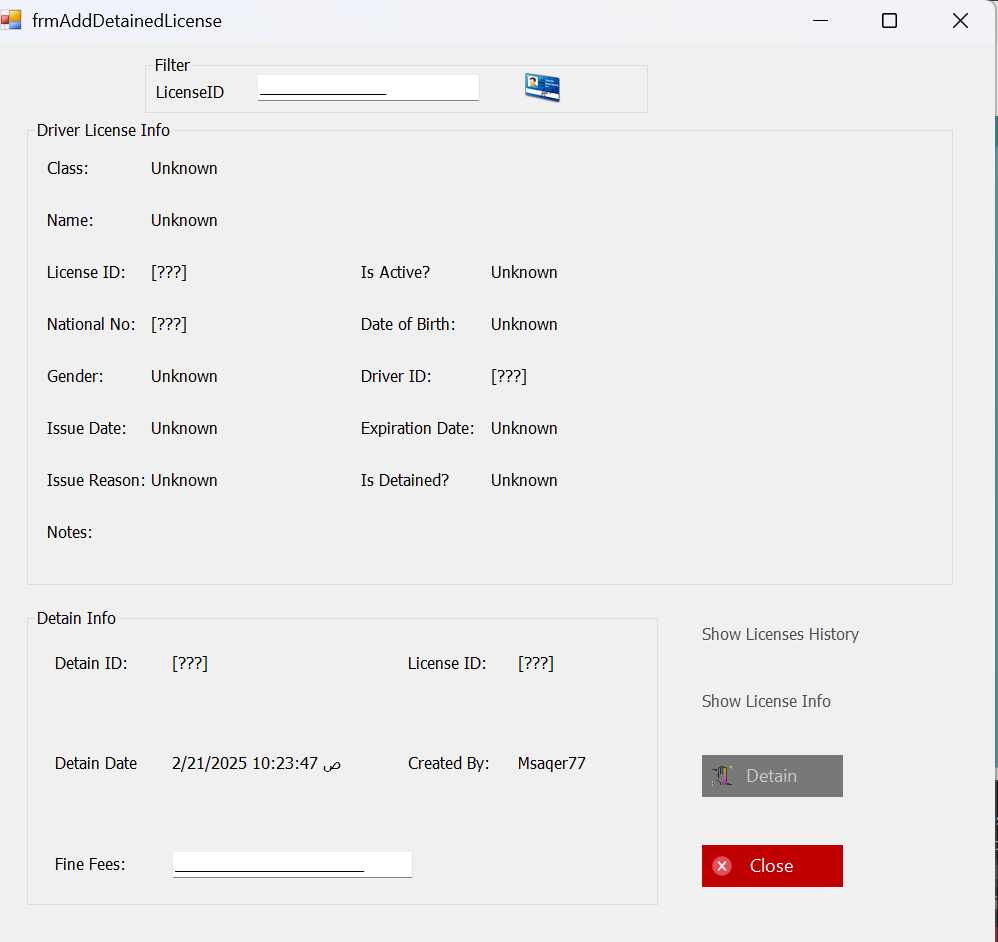
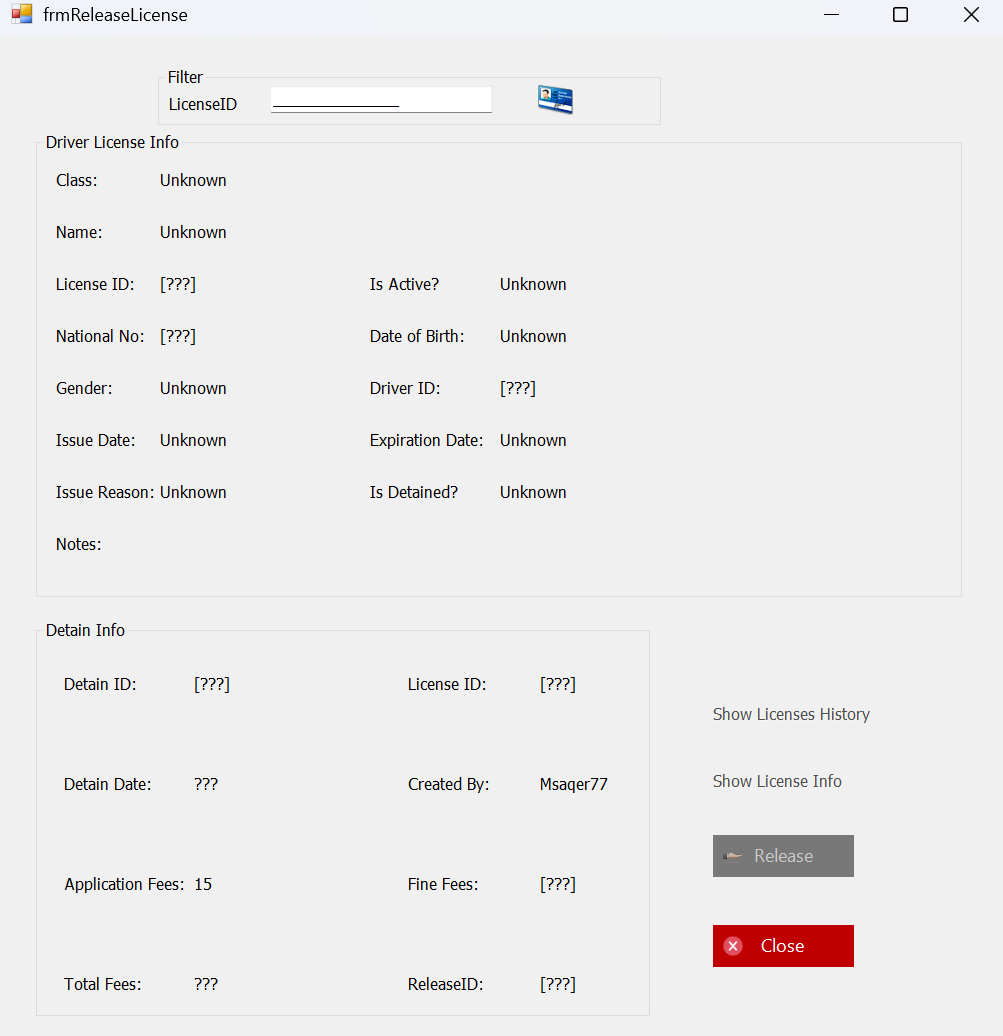
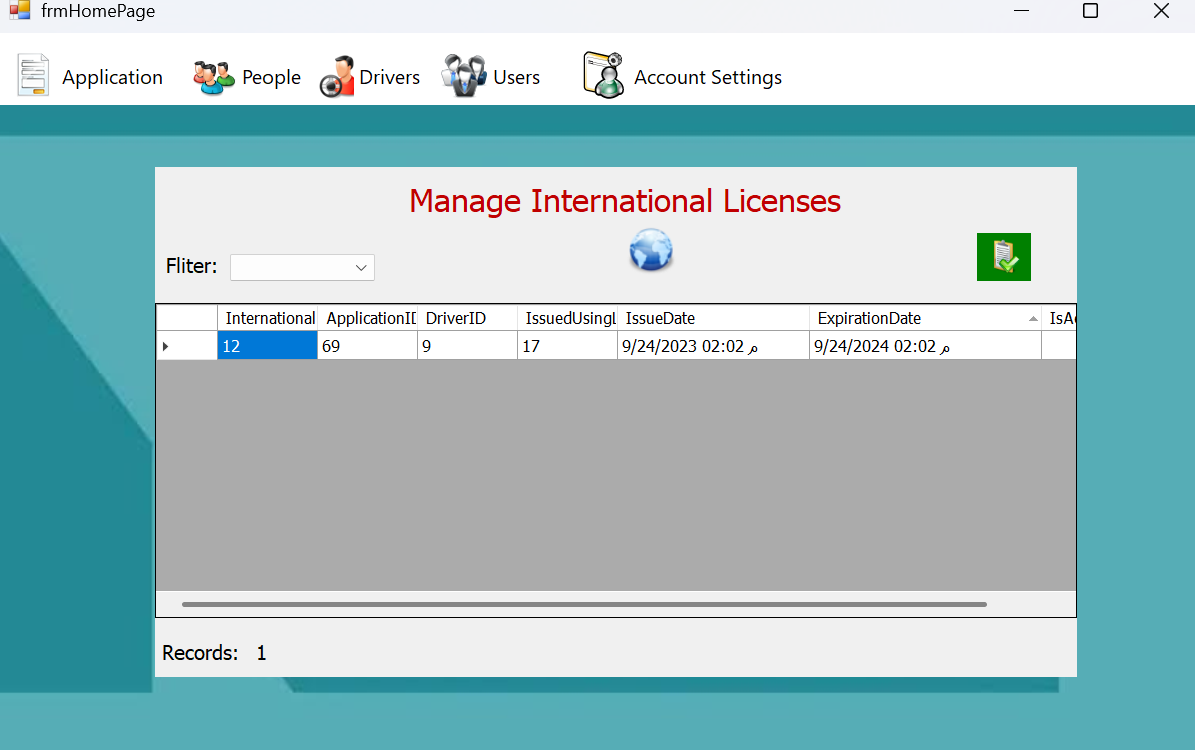
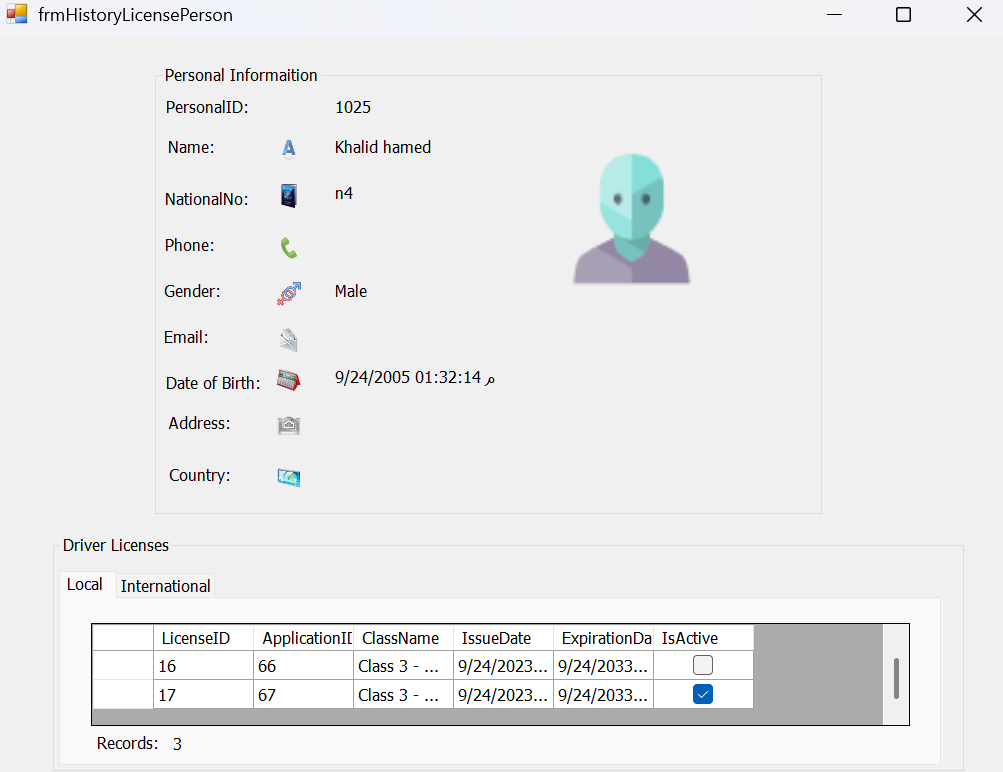
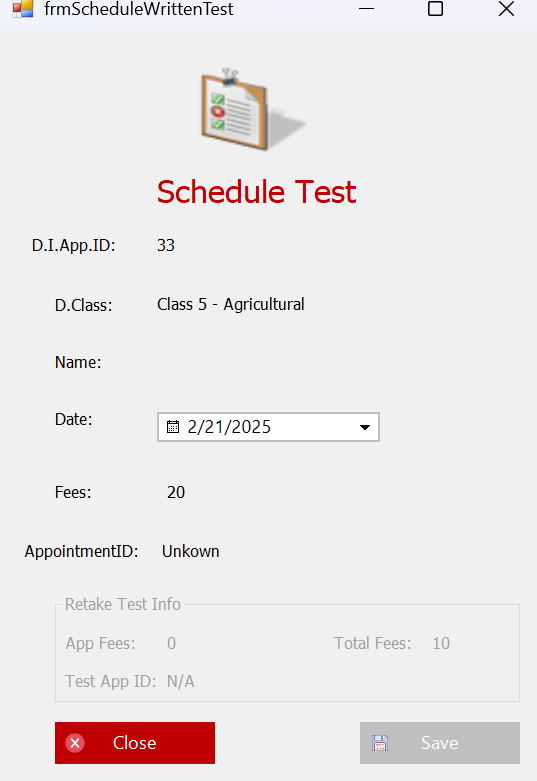
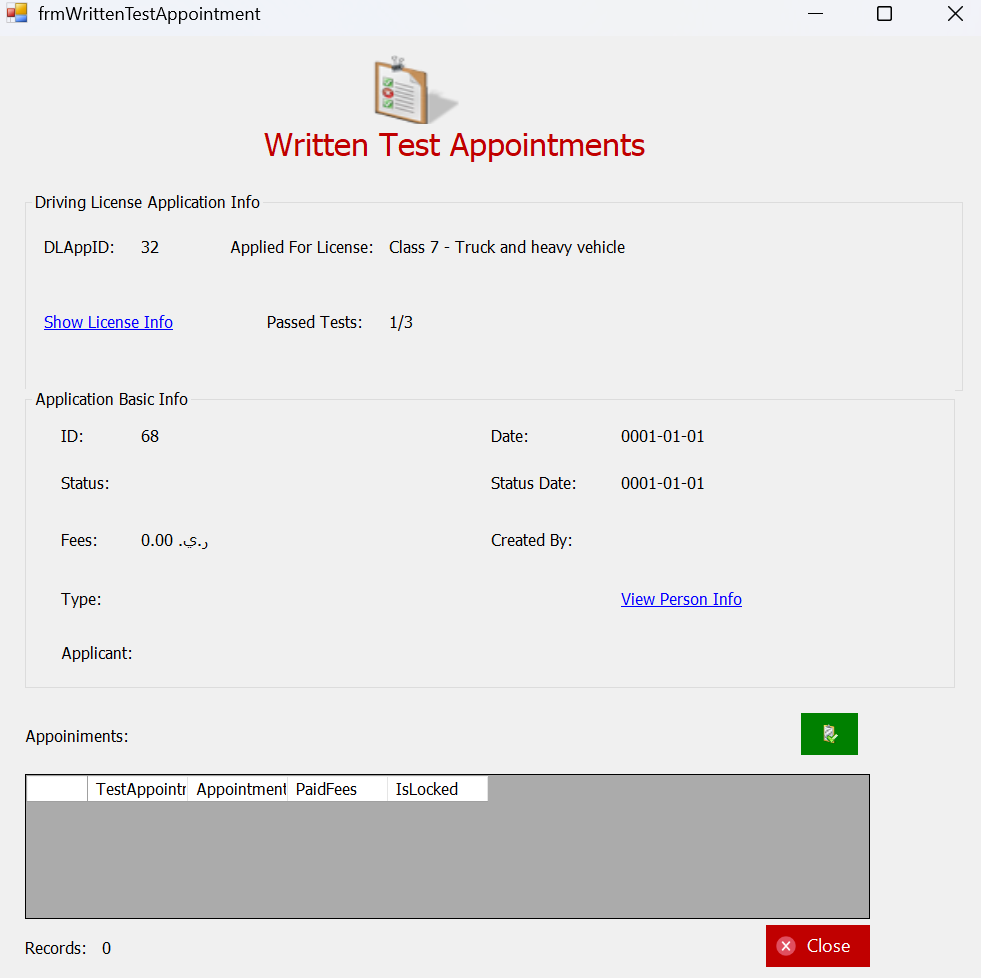
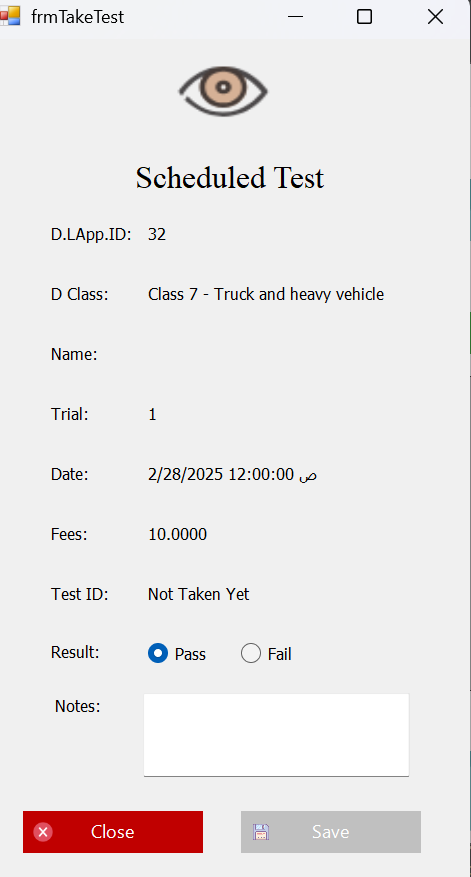
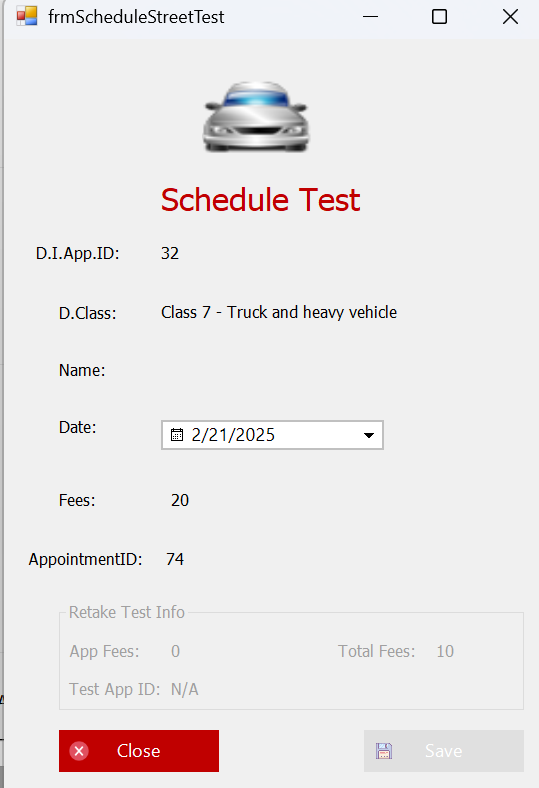
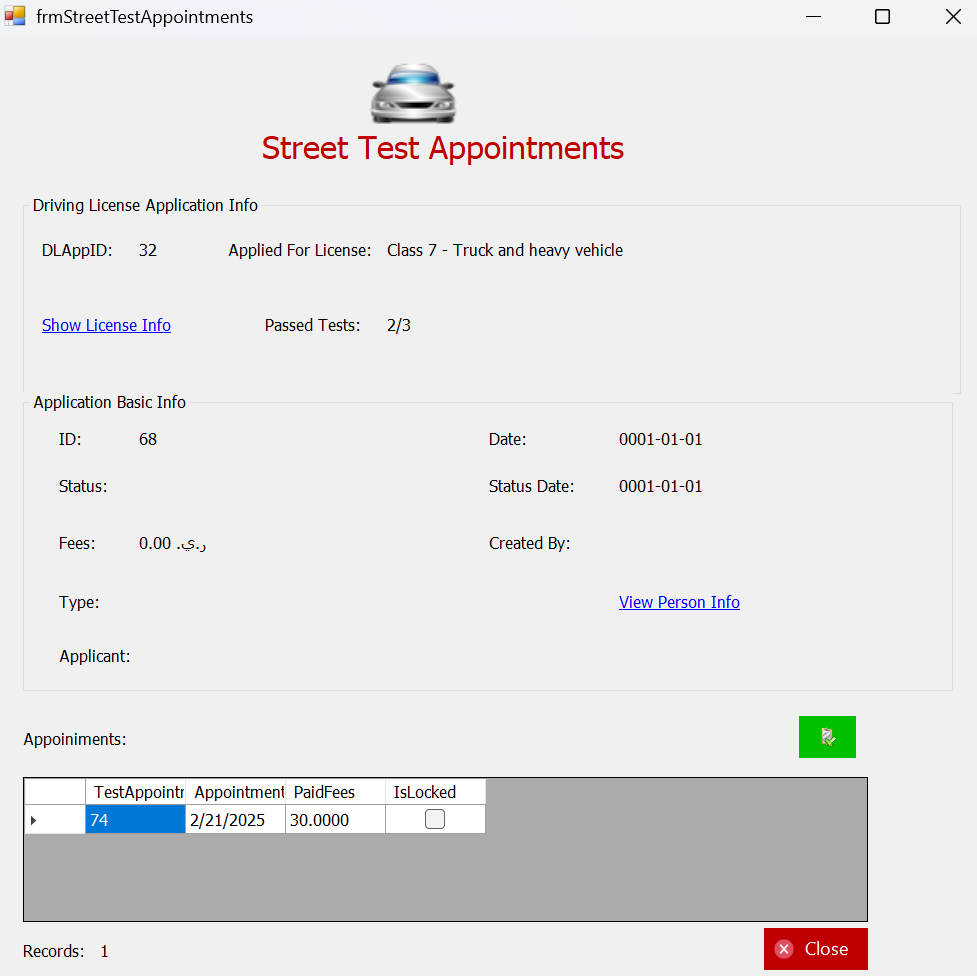
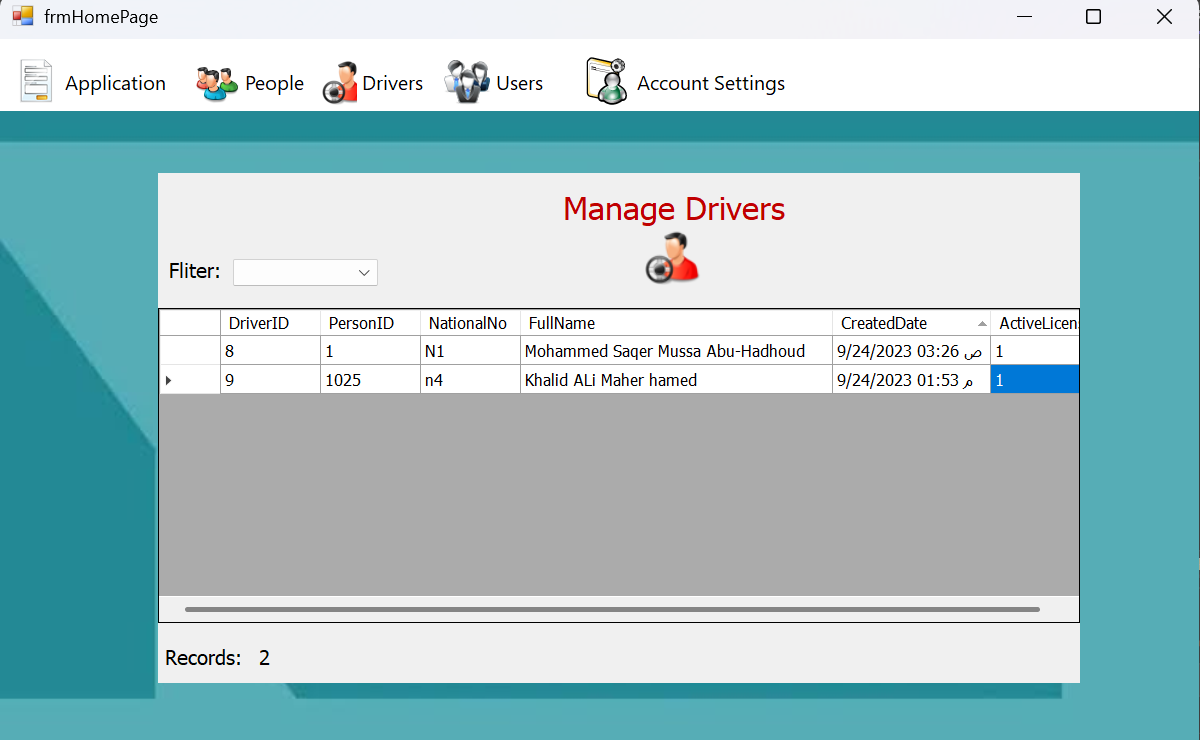
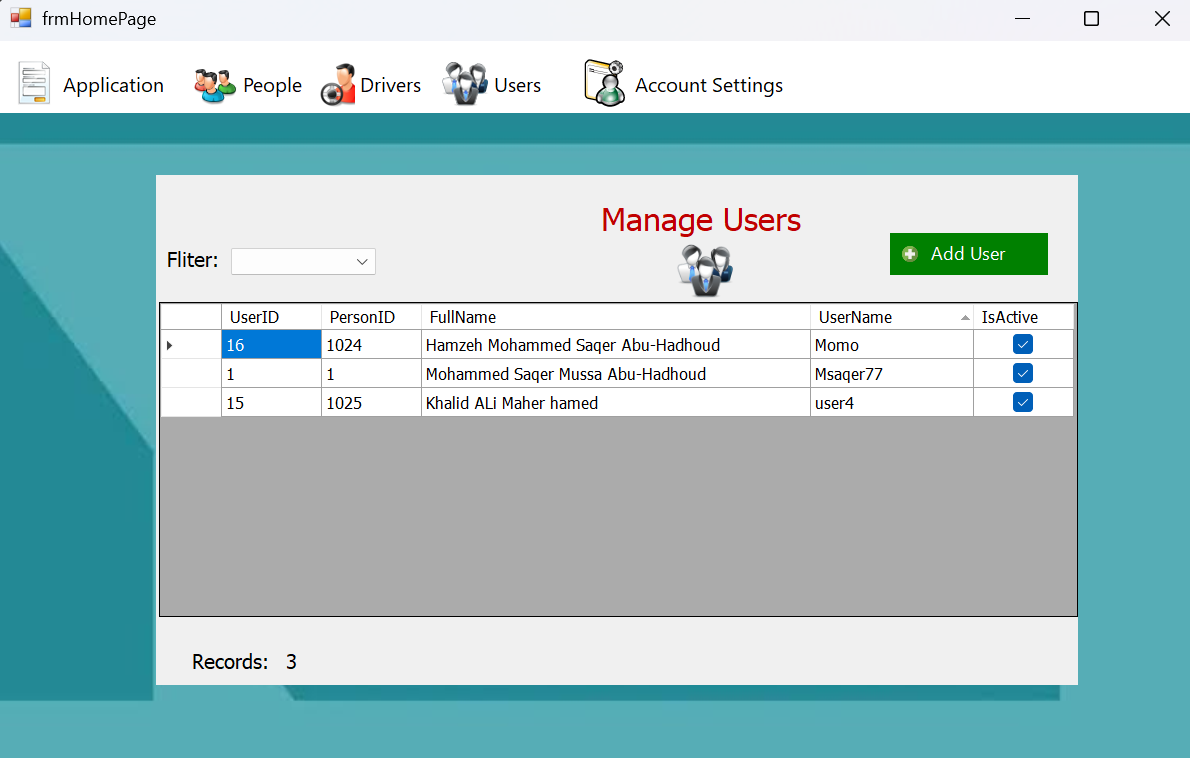
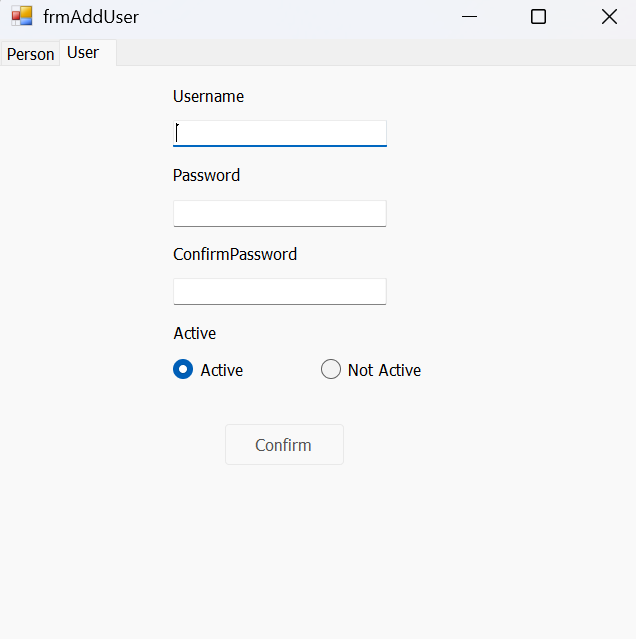
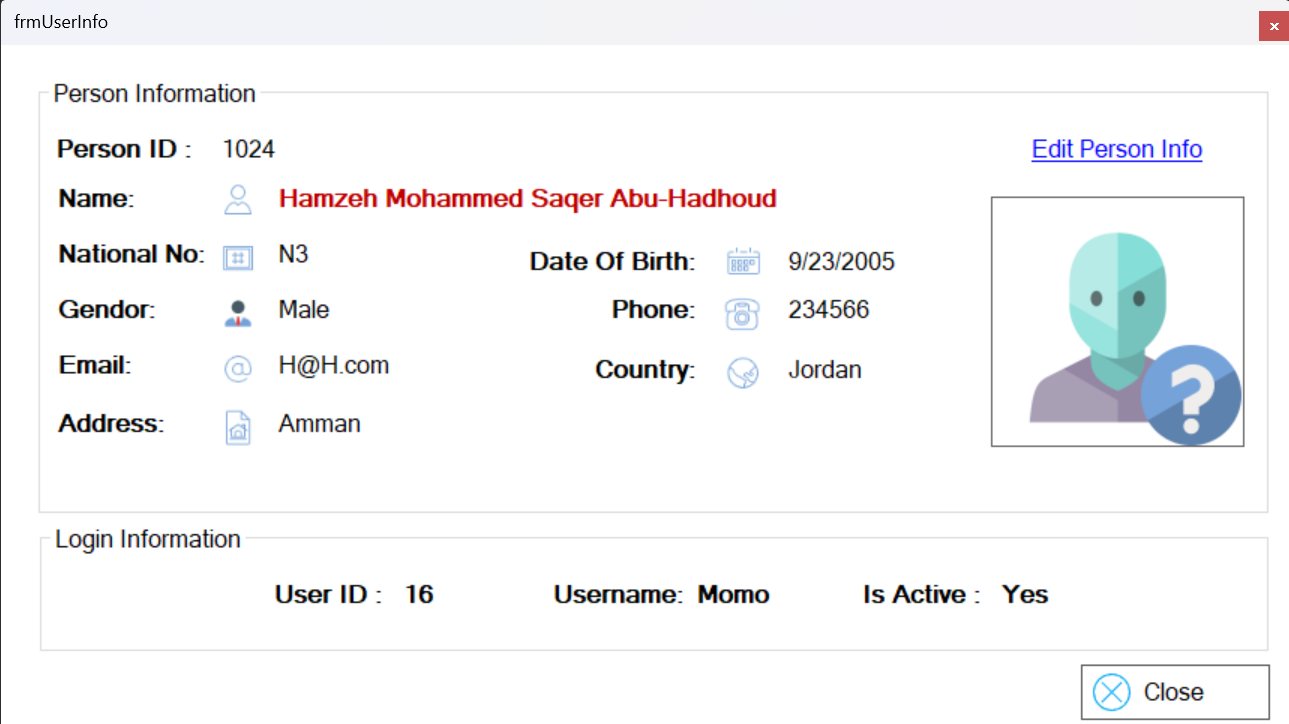
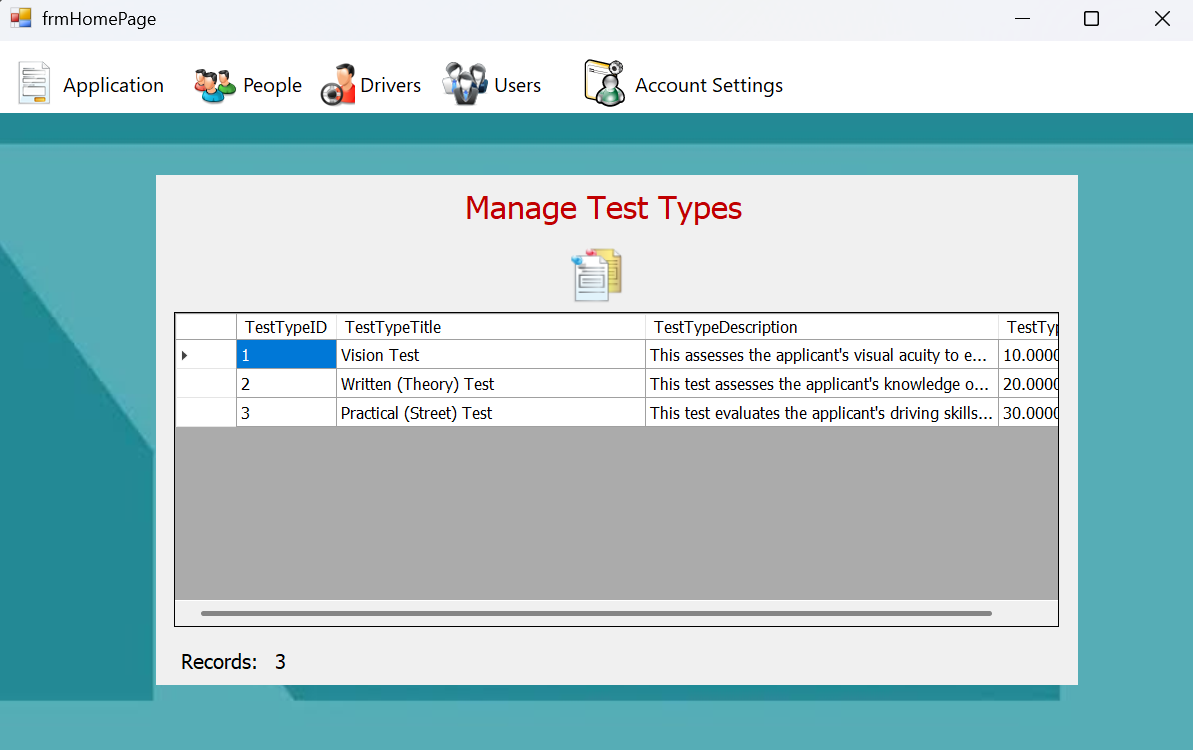
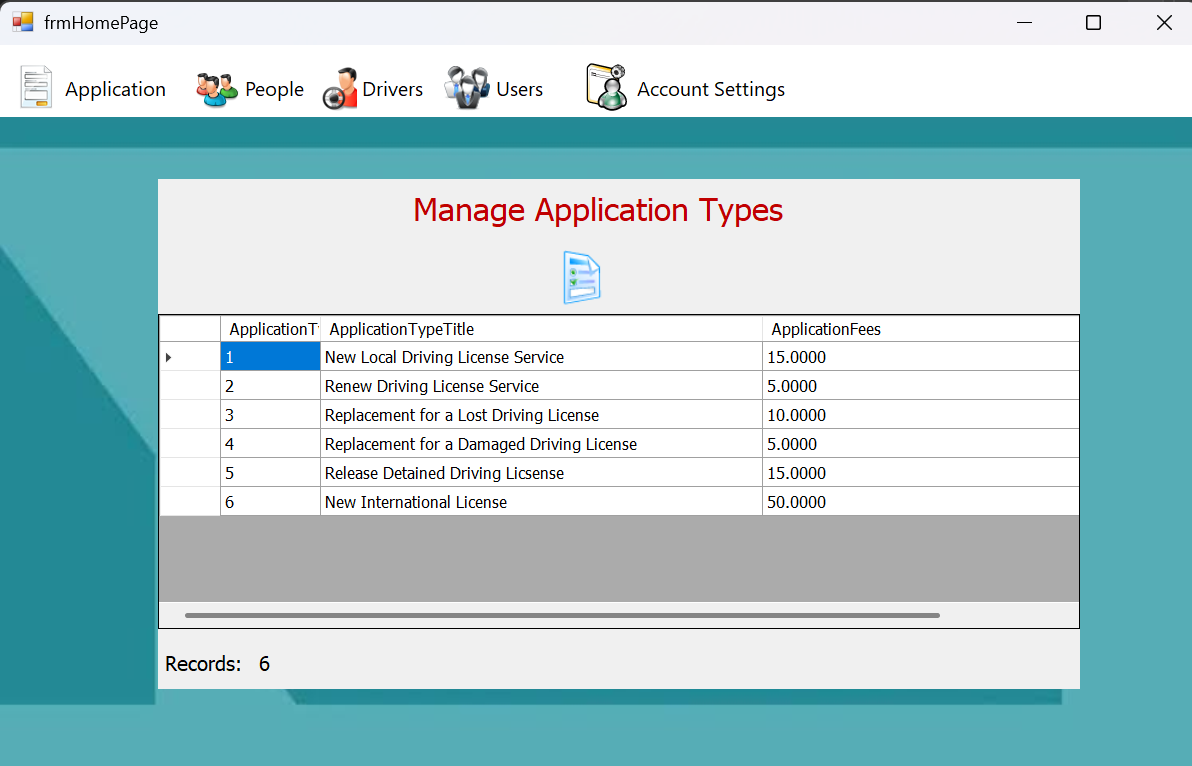
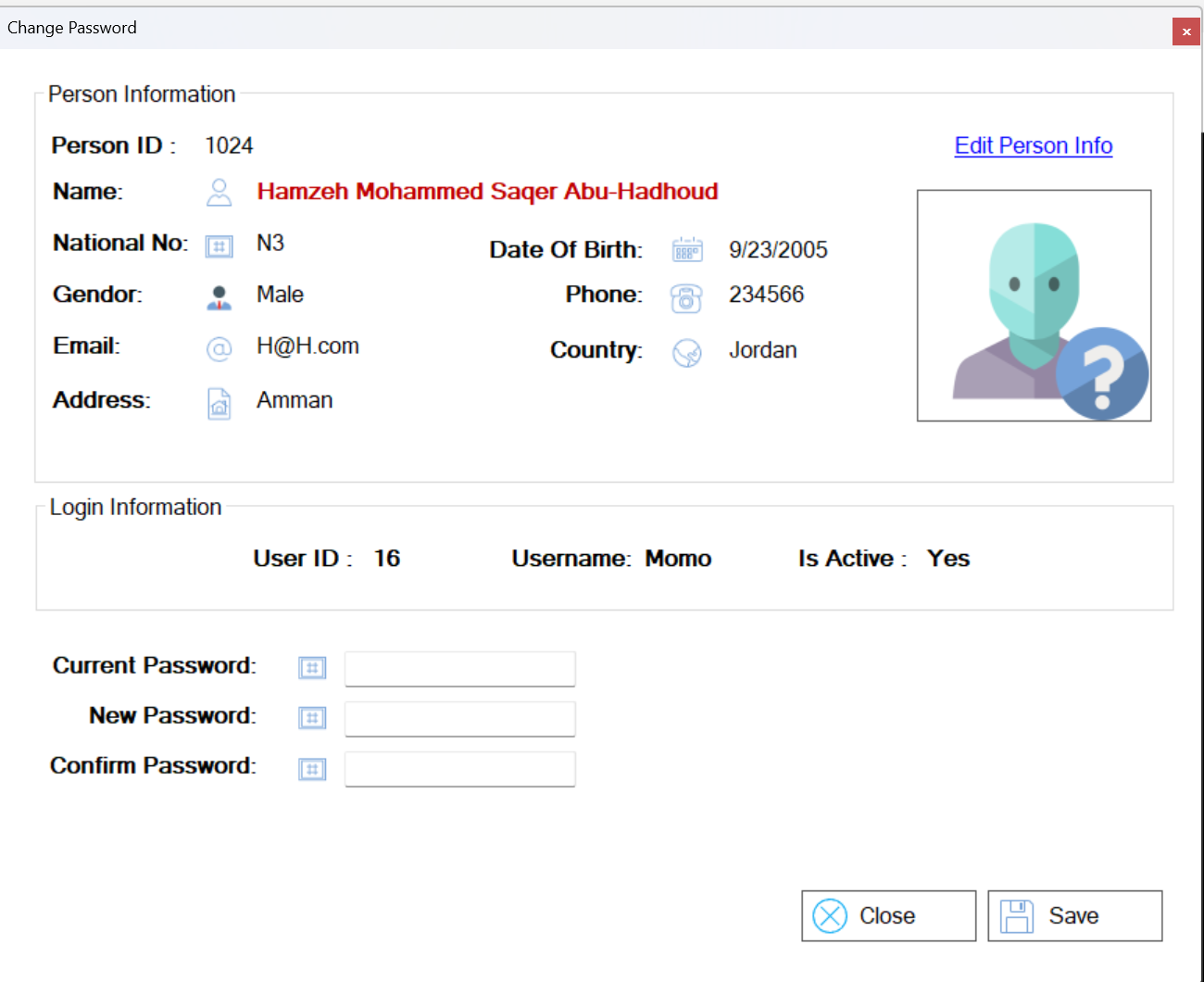
A desktop application built with C# and .NET Framework for managing driving license operations. Covers license issuing, renewal, replacement, and detention. Includes scheduling and tracking of written, vision, and street tests; managing people, drivers, and users; and maintaining audit logs to preserve data integrity. Structured with a 3-tier architecture for a clean separation between UI, business logic, and data access.
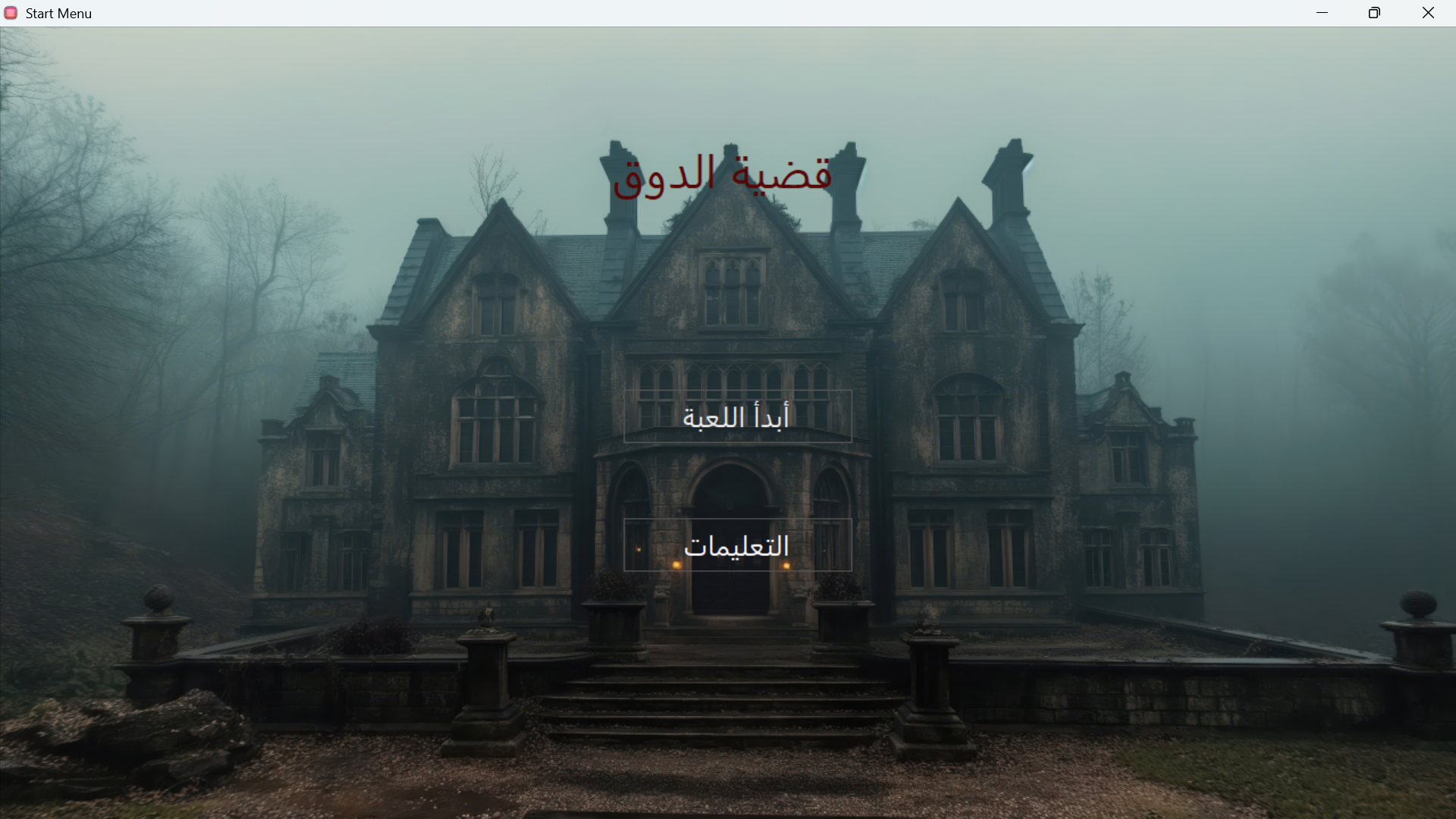
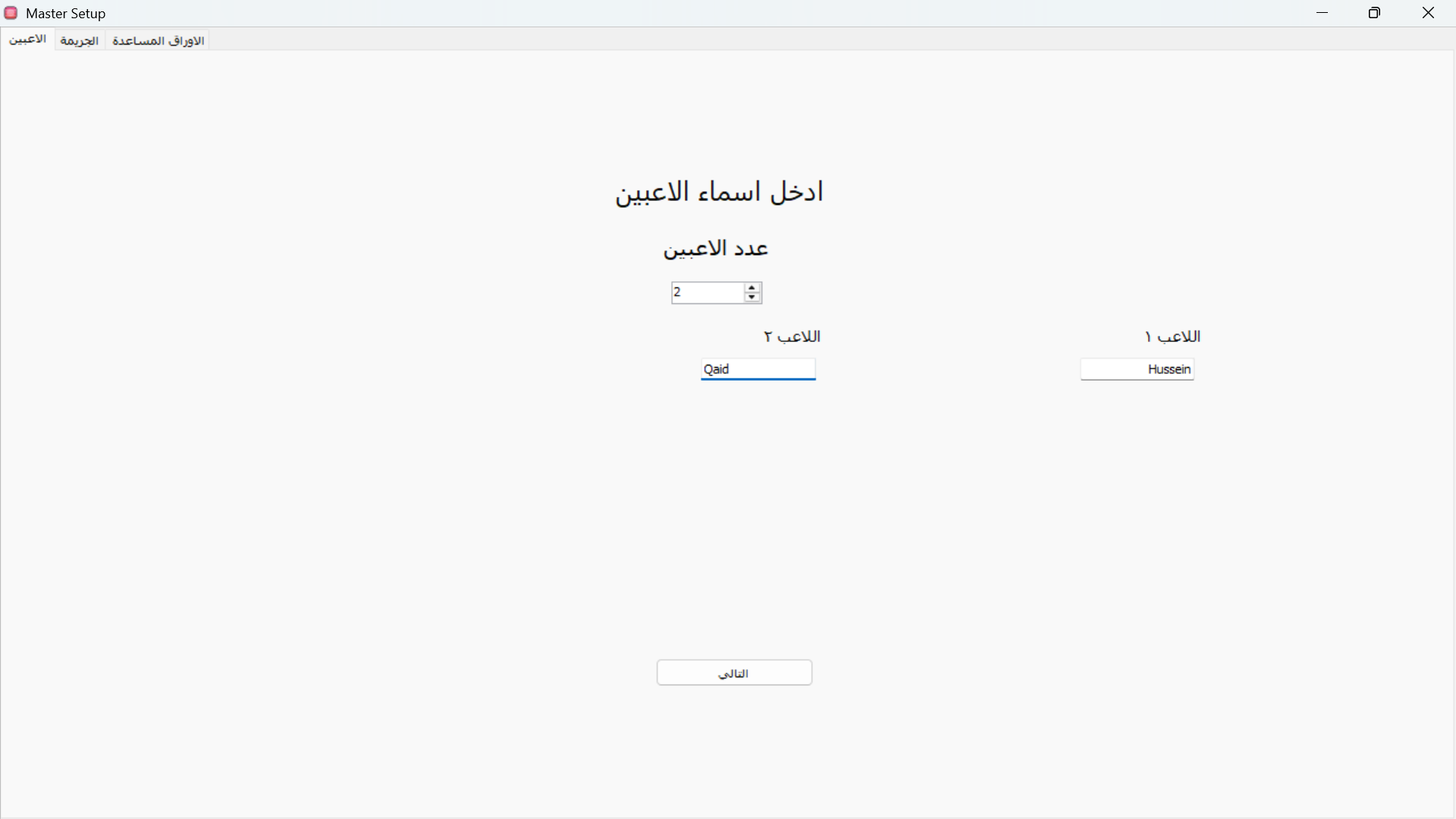
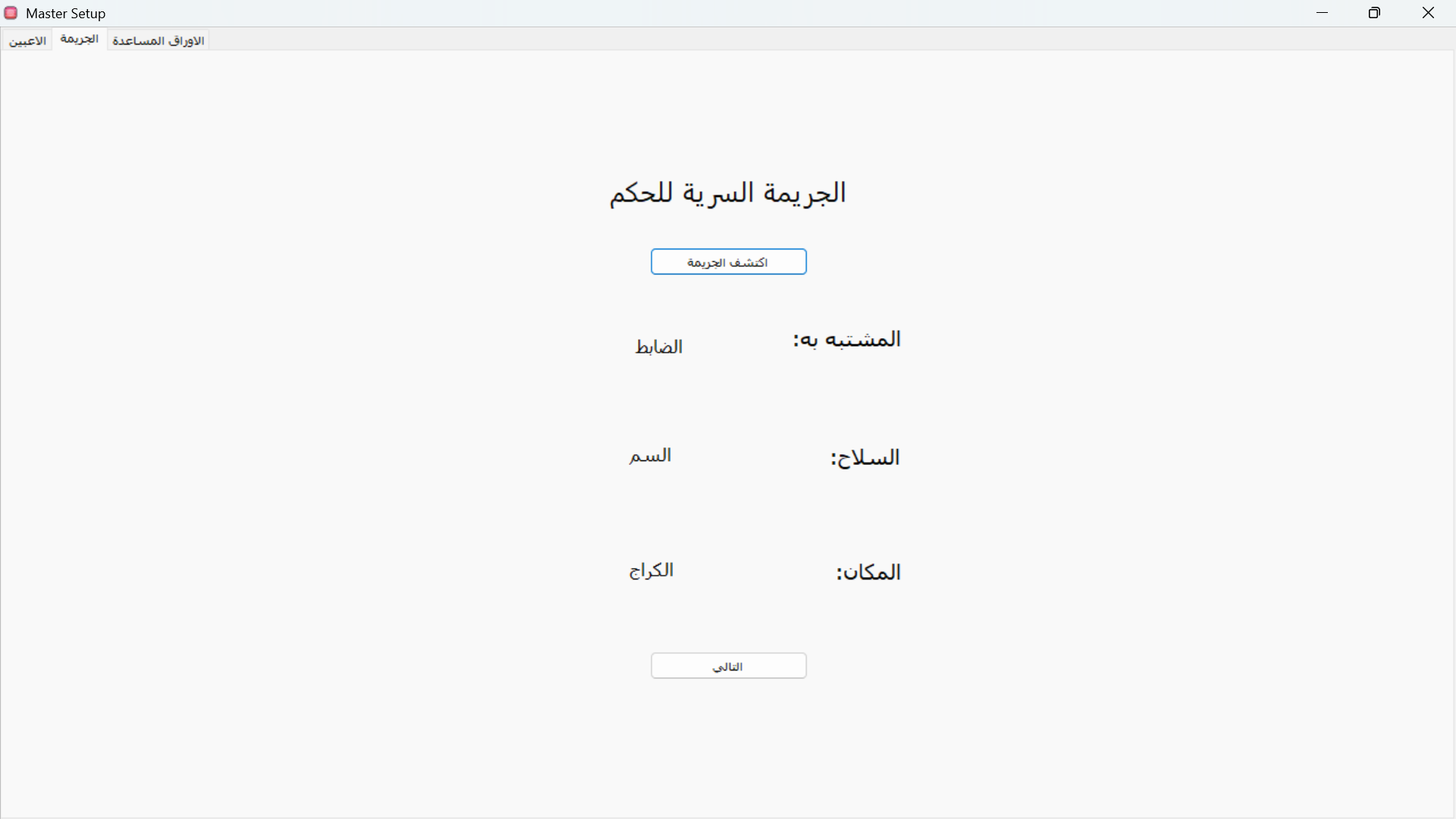
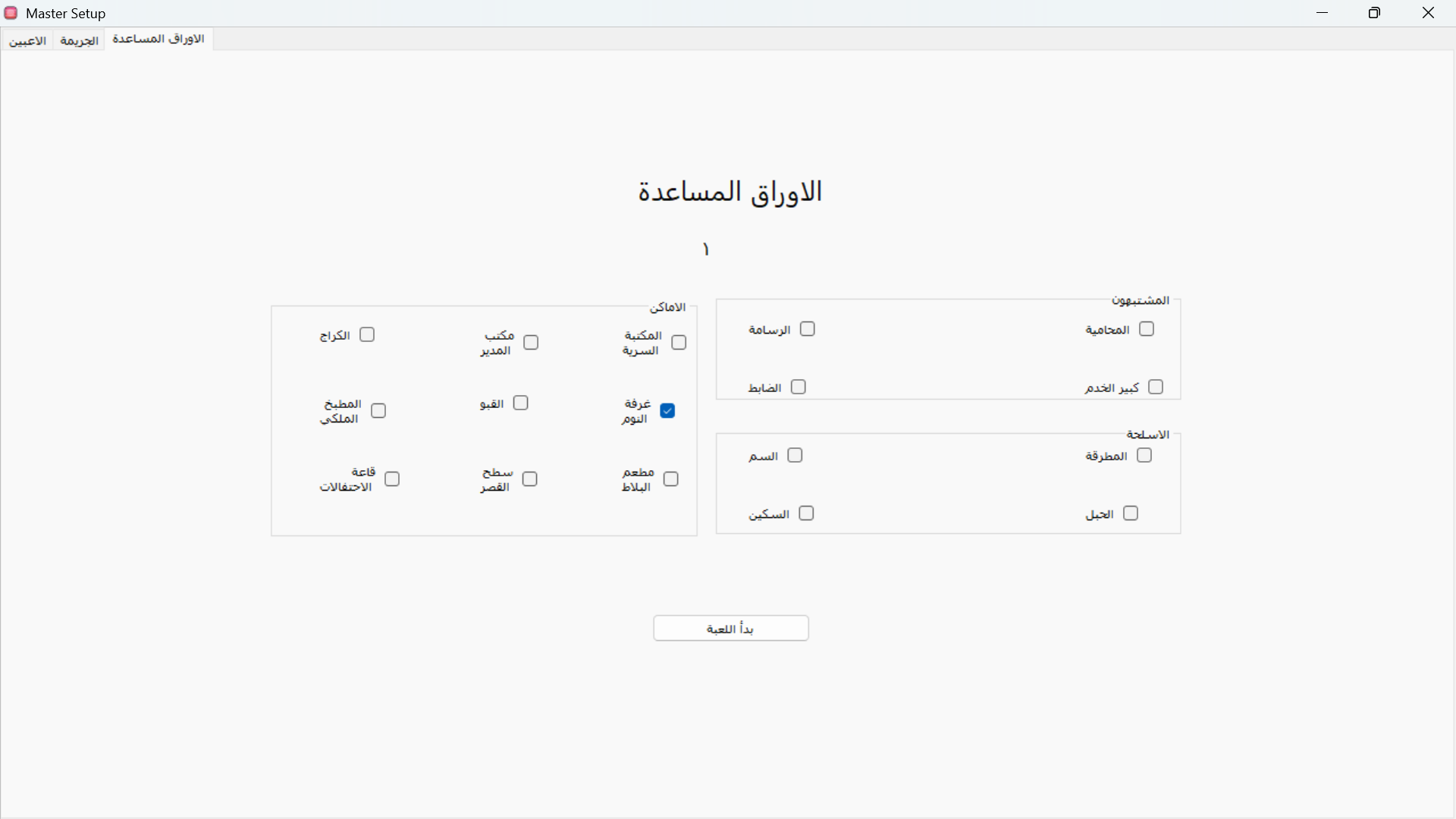
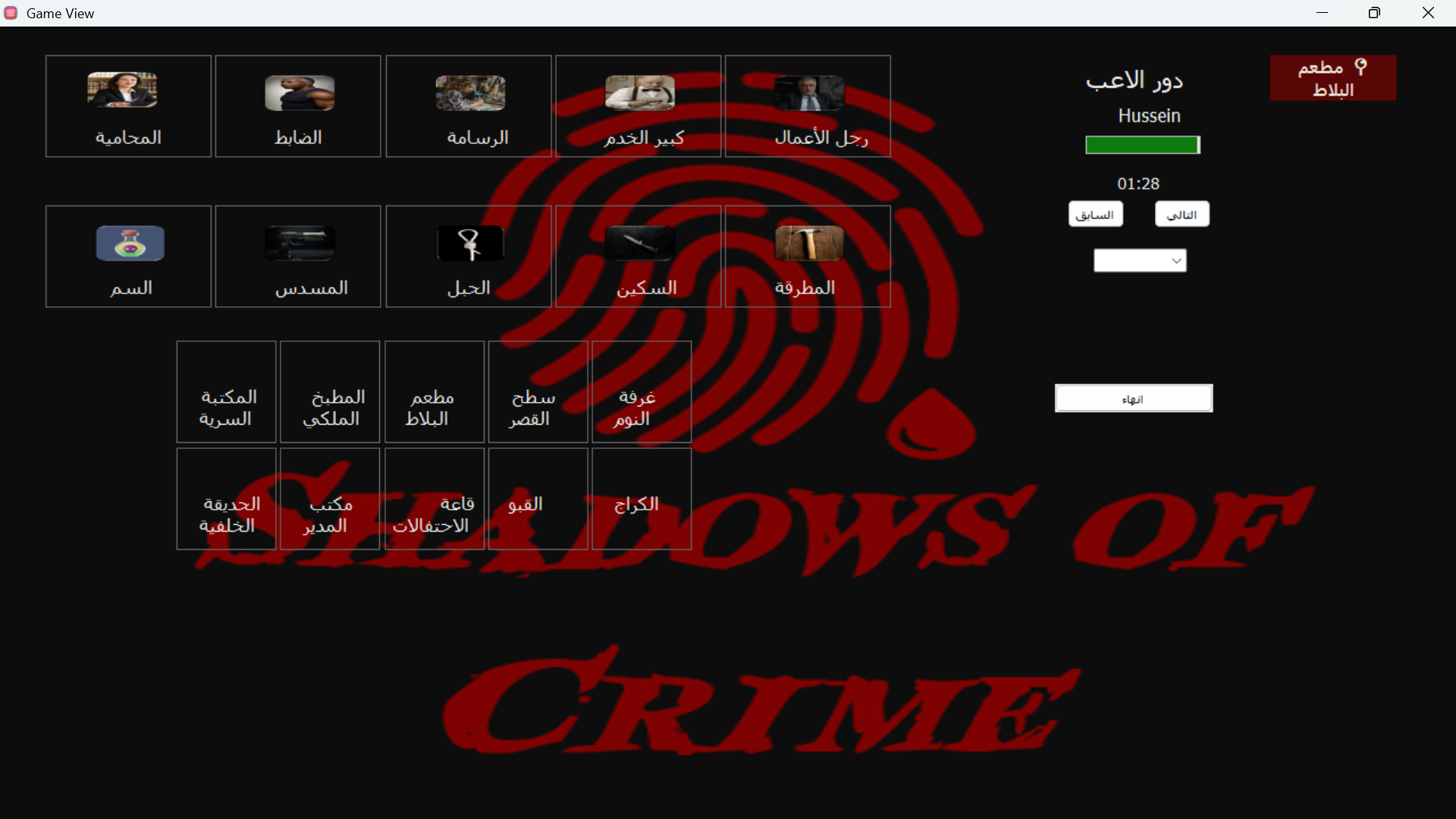
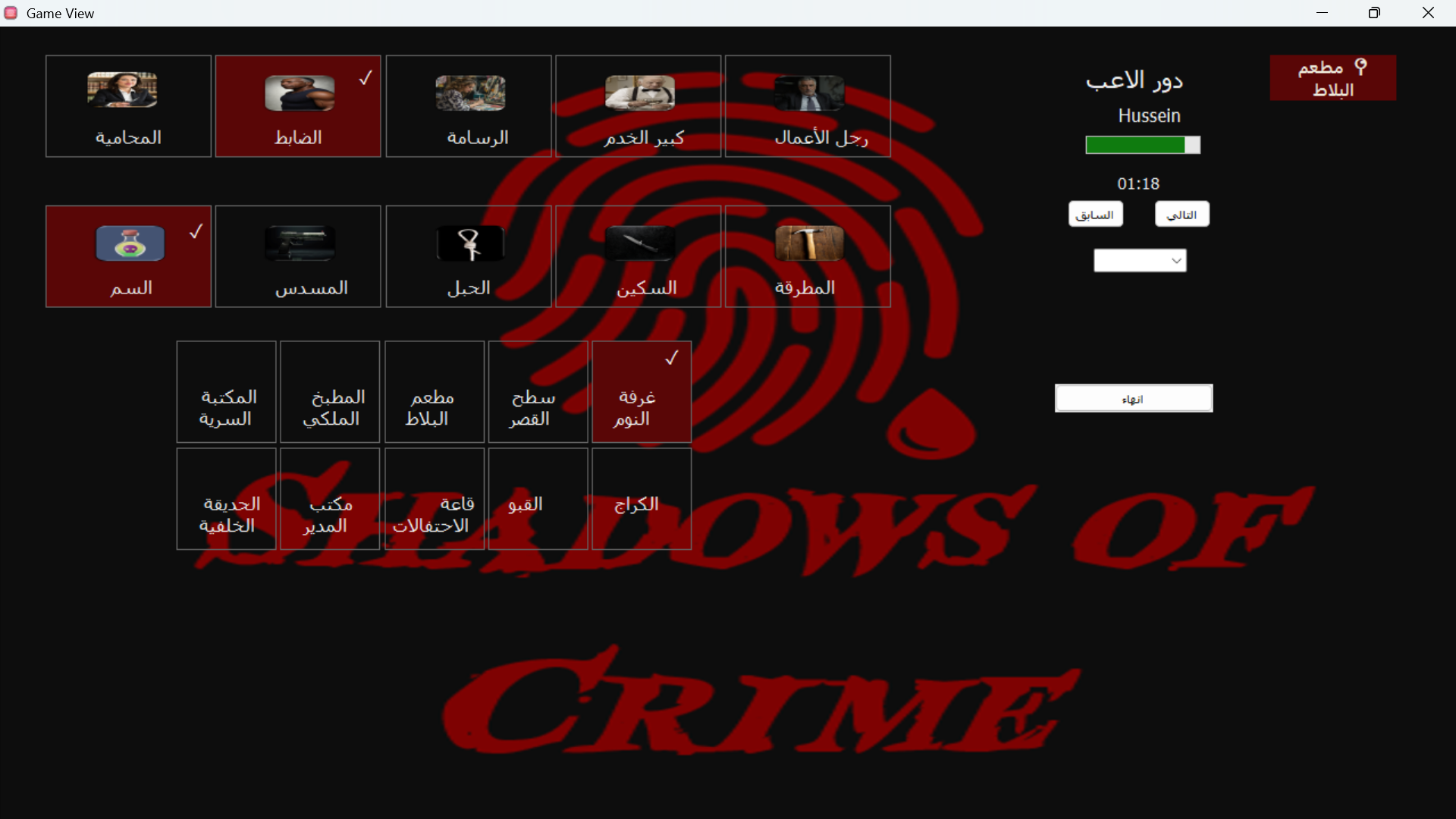
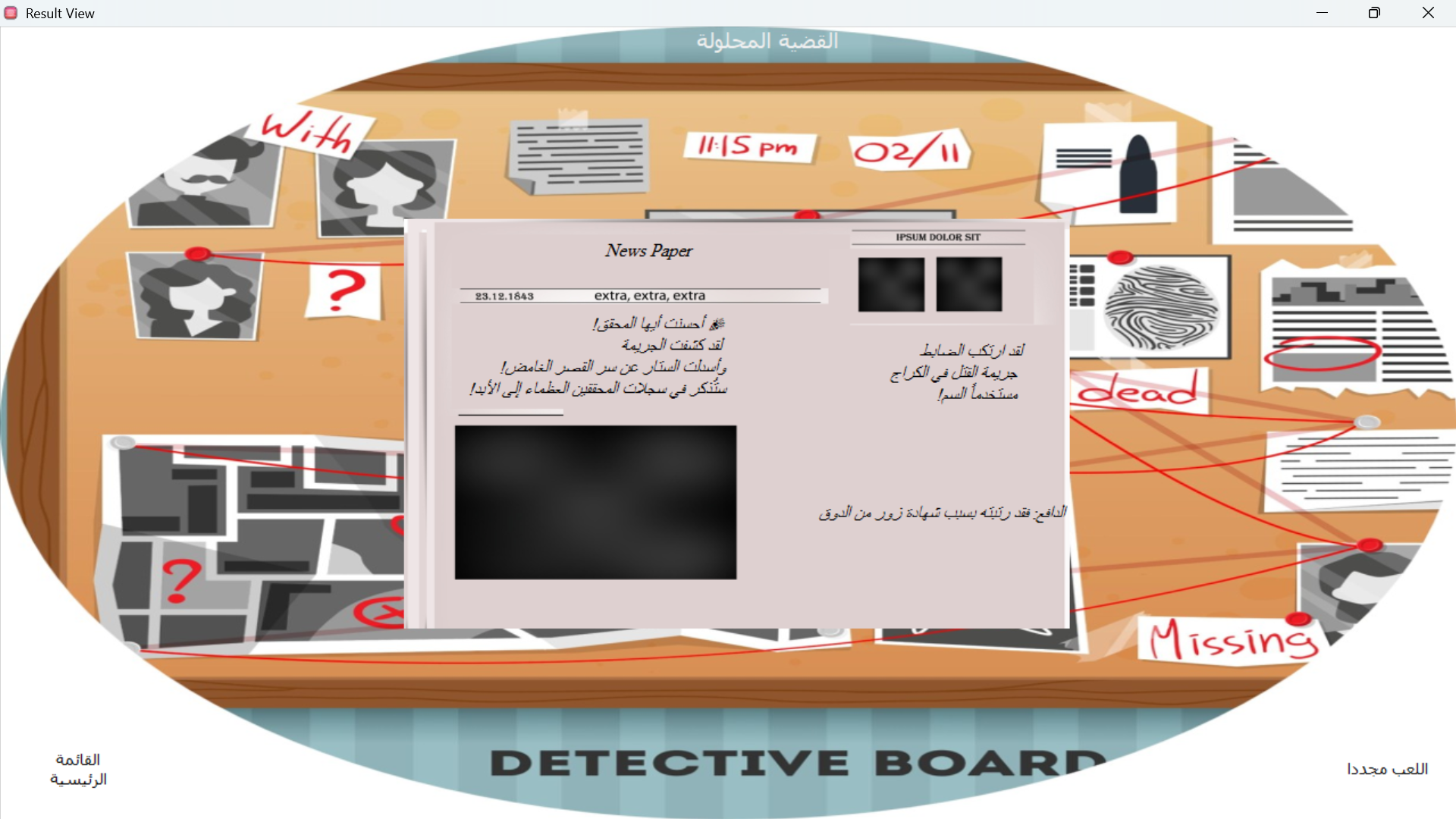
A desktop game application built with C# and .NET Framework, converting a PowerPoint-based game into a single, self-contained application. The original setup relied on two separate PowerPoint and Excel files totalling ~150MB with significant limitations. The rebuilt version runs at 18MB, integrates all features in one place, and is structured with a 3-tier architecture for maintainability and future updates.
Beyond building features, I focus on how a system is organized, how its data stays consistent, and how it can be extended as requirements grow. The following examples come from actual projects.
The E-commerce Admin Dashboard and the Laravel Modular Monolith project are organized as modular monoliths, grouping related business logic into isolated modules. This keeps each domain self-contained while sharing a single deployable application.
Business operations are expressed as single-responsibility action classes, injected where needed. This makes each action testable in isolation and keeps controllers and services focused on coordination rather than business logic.
Authorization is handled through Laravel Policies and Spatie Permission, separating permission logic from business logic. Resources are scoped to their owner, and role-based access controls what each type of user can read or modify.
In the E-commerce Admin Dashboard, inventory balance changes are executed inside database transactions with pessimistic locking. The system enforces invariants — stock cannot go negative, reserved quantity cannot exceed stock — before any mutation is committed.
Inventory movements are recorded as an append-only log, tracking the reason, source type, and source ID for each change. This provides a queryable audit trail of every balance mutation without modifying historical records.
Supplier products go through an approval workflow that separates approval status from active/inactive state. Supplier-proposed changes are staged and reviewed before overwriting approved data. Business rules are enforced through Form Requests, keeping validation close to the action that needs it.
The Taskeen backend API is structured with Clean Architecture, clearly separating API, application, and data access layers. The DVLD and Library desktop systems use a 3-tier architecture to isolate UI, business rules, and database access.
The Laravel Modular Monolith and E-commerce Admin Dashboard include automated tests. Writing tests alongside business logic provides confidence that complex workflows — such as inventory mutations and approval transitions — behave correctly after changes.
Across projects, the goal is to write code that can be changed without unintended side effects. Separation of concerns, single-responsibility actions, and clear module boundaries make it easier to add features or modify behavior as requirements evolve.
I am currently open to new professional opportunities. Whether you are a recruiter, hiring manager, or potential client looking for a dedicated backend developer, I would love to connect. Let\'s build something great together!
© 2025 Hussein Qaid. All rights reserved.